Downtown Seattle Is Finally Filling In Its Longest-Empty Storefronts
September 17, 2026
September 17, 2026
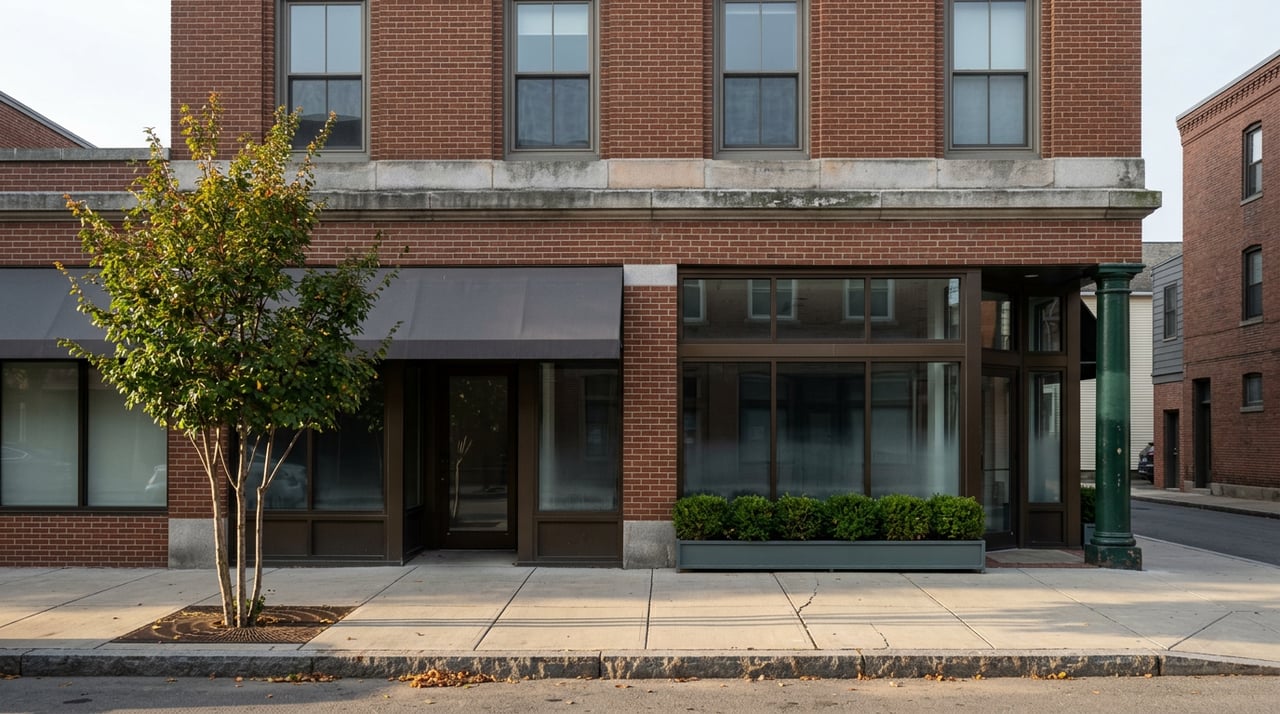
Walk east on Stewart Street past the convention center this month and you will pass a room that sat dark for five years. The 3,500-square-foot space at 620 Stewart had been empty since Miller's Guild closed, through every round of "what's next for this block" speculation downtown has produced since. This summer it reopened as Cut Club, a steakhouse from chef Ethan Stowell, his first project since leaving Ethan Stowell Restaurants. That single address tells you more about downtown's actual condition right now than any vacancy-rate headline. The neighborhood isn't filling in randomly. It's filling in from the inside out, starting with the spaces that sat empty the longest.
That is the pattern worth paying attention to this fall, and it shows up in at least three separate corners of downtown at once.
Stowell described Cut Club as a nontraditional steakhouse, an all-day room built around prime cuts and a full raw bar, with breakfast and lunch service alongside dinner. He told the Puget Sound Business Journal his read on downtown directly: he still loves the city, and he thinks the neighborhood is ready to get "more activated" over the next several years. That's not marketing language. It's a bet, backed by a lease on a room that had turned away every previous tenant for half a decade.
A few blocks over, the same logic is playing out with coffee instead of steak. Starbucks pulled seven stores and two roasteries out of Seattle late last year, then closed five more this spring. Everett-based Narrative Coffee is now moving into the former Starbucks space at 6th and Stewart, right on downtown's northern edge, and the nonprofit coffee shop and job-training program Coffee Tab is opening its third location in another long-standing former Starbucks spot at 23rd and Jackson. Neither of those was a hard sell to a landlord. They were the obvious next tenants for corners the coffee giant had already decided weren't worth keeping.
Here's the pattern laid out plainly:
| Address | What was there before | How long it sat empty | What opened |
|---|---|---|---|
| 620 Stewart St | Miller's Guild | 5 years | Cut Club (Ethan Stowell) |
| 6th & Stewart | Starbucks | Since last year's closures | Narrative Coffee |
| 23rd & Jackson | Starbucks | Since last year's closures | Coffee Tab (3rd location) |
None of these are chain backfills. They're independent, locally rooted operators taking on spaces that a bigger brand had already written off. That's a different story than "downtown is recovering." It's downtown getting rebuilt by people who already run businesses two neighborhoods over and decided this was the year to bet on a corner someone else gave up on.
Not every new opening fits that same reuse story, and the exceptions are worth naming too. Bao Home, a dumpling-focused Chinese restaurant serving wontons, noodles, and buns out of a big dining room in the Olivian building, opened downtown this summer close enough to the Paramount Theatre to work as a pre-show stop. That's fresh space, not reclaimed space, part of what local food writers have started calling downtown's dumpling boom rather than its vacancy story. Both things are true about downtown right now: old rooms are getting a second life, and new ones are getting built from scratch. The mix is the point.
The other change this fall is physical, not culinary. Overlook Walk, the elevated pedestrian bridge connecting Pike Place Market's MarketFront to the waterfront promenade, is now fully open and doing exactly what it was built to do: let people move from the Market down to Elliott Bay without ever crossing Alaskan Way. The Urbanist covered the ribbon-cutting as the centerpiece of the city's waterfront rebuild, calling it one of the most ambitious public works projects Seattle has completed in decades. What that description misses is the daily, unglamorous version of the story. If you live downtown, you now have a car-free route from the Market's north arcade to Pier 62, with a playground partway down and a rooftop park over the Aquarium's Ocean Pavilion along the way.
The retail space at the top of the walk, the one built specifically for a food vendor, was awarded to Boon Boona Coffee, a Seattle-based roaster, with an opening planned for early 2026. Whether it's pulling shots yet or still finishing buildout, the space itself signals the same thing the Stewart Street lease does: local operators are the ones claiming the highest-visibility new real estate downtown has produced in years, not national chains chasing foot traffic.
If the storefronts and the walkway are the structural changes, the Night Shift is the one that gives downtown a rhythm you can actually plan around. Pike Place Market's after-hours arts and music series runs monthly, timed to the Downtown Seattle Art Walk, with confirmed 2026 dates on July 24, August 28, September 25, and a Dia de los Muertos edition on October 23. On those nights, a specific list of Market businesses stays open past normal hours: the Alibi Room, Le Pichet, Matt's in the Market, Maximilien, the Pink Door, Radiator Whiskey, and more than a dozen others, alongside live performances at the Rabbit Box and pop-up activations across the Market floor.
That's not a one-off event calendar entry. It's a standing commitment from a specific roster of businesses to treat one Friday a month as a night worth staying open for, month after month, which is a very different kind of signal than a single festival. If you're downtown on the right Friday and don't have plans, the Night Shift is now a default answer, the same way a farmers market or a weekly run club becomes part of how a neighborhood organizes its week.
Fall Seattle Restaurant Week adds a second, less frequent anchor to the calendar. This year's edition runs October 18 through 31, giving participating restaurants across the city, Market included, a two-week window to run prix-fixe menus. It's a shorter commitment than the Night Shift, two weeks instead of a recurring Friday, but it's the kind of window that rewards actually checking a calendar instead of assuming you know what's open downtown this time of year.
None of these three threads (the reused storefronts, the finished walkway, the monthly Friday) would mean much in isolation. A steakhouse opening is just a steakhouse opening. A pedestrian bridge is just infrastructure. A monthly art walk is just an event listing. Put together, they describe a downtown that's stopped waiting for one big anchor project to fix everything and started filling in block by block, with the businesses willing to bet on the hardest spaces going first.
If you've lived downtown through the last few years of empty storefronts and stalled retail leasing, this is the season where that specific frustration starts to look different. The corner that sat dark isn't dark anymore. The walk to the water doesn't require dodging traffic. And there's a Friday night a month where you don't have to think about where to go, because the Market has already decided for you.
I track these shifts closely because they tend to show up in how a neighborhood actually lives, long before they show up in a sales report. If you're curious how any of this is playing out in condo buildings or specific blocks downtown, or you're thinking ahead to a move in or out of the core, Chris Bierrum is glad to walk through what's changed and what it might mean for your own plans. Schedule a consultation whenever the timing feels right.
Stay up to date on the latest real estate trends.
I offer the highest level of expertise, service, and integrity. Connect now to get started today.
Get in Touch with Me to Learn More
ADDRESS 1400 112th Ave SE Ste 100 Bellevue WA 98004