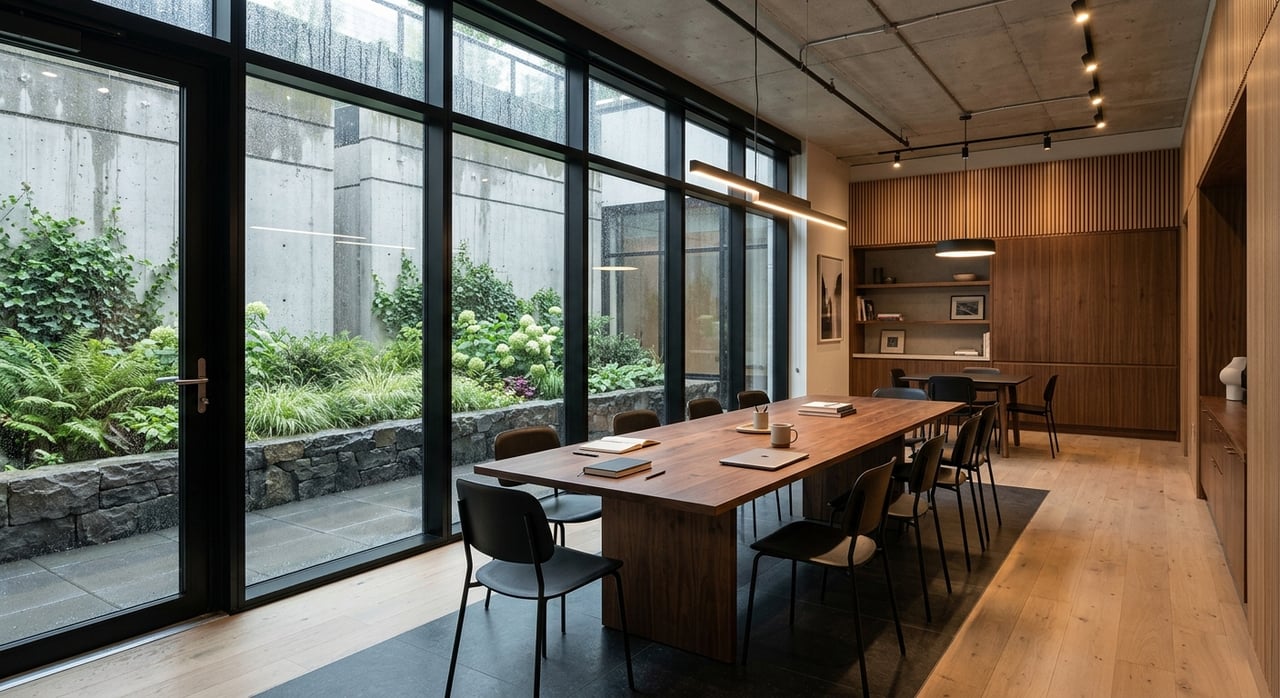
Downtown Seattle Condo Living & Resale Guide
June 11, 2026
June 11, 2026
Thinking about a downtown Seattle condo? The appeal is easy to see: walkable streets, major transit access, views, building amenities, and a front-row seat to one of the region’s busiest urban centers. But if you want to protect your options later, condo living is not just about the unit you love today. You also need to understand the building, the monthly costs, and the resale factors that can shape your flexibility down the road. Let’s dive in.
Downtown Seattle offers a lifestyle that is hard to replicate in most other parts of the region. The Downtown Seattle Association describes the center city as the region’s hub for arts, entertainment, professional sports, and tourism, with a 2025 residential population of 109,845 and 317,579 total jobs.
That concentration matters if you want daily convenience. Seattle’s transportation planning for Greater Downtown notes that this area holds 15% of Seattle’s residents and half of the city’s employees on only 5% of the city’s land area. In practical terms, that supports a lifestyle built around walking, transit, biking, and shorter daily trips.
For many buyers, that is the core value of downtown condo living. You are not only buying square footage. You are buying access to work, culture, restaurants, events, and public spaces that can make everyday life more efficient and more connected.
Downtown’s evolving public realm is part of the story too. Seattle’s waterfront program includes a park promenade, rebuilt Pier 58 and Pier 62, an elevated connection between Pike Place Market and the waterfront, a 1.2-mile protected bike lane, and about 20 acres of new public space.
That kind of investment can strengthen both livability and resale appeal. A condo in the urban core tends to be judged not only by the floor plan and finishes, but also by what surrounds the building and how easy it is to enjoy the neighborhood without getting in a car.
If you are comparing downtown to a more residential neighborhood, this is an important tradeoff to weigh. You may give up some private space, but you gain a more compact, amenity-rich environment that extends beyond your front door.
Current inventory shows that downtown remains an active condo market. Redfin’s Downtown Seattle condo data shows 379 condos for sale, a median listing price of $588,000, an average of 70 days on market, and about 3 offers per home.
The same source gives downtown a Walk Score of 98 and a Transit Score of 100. That lines up with what many buyers already expect from the area: errands, dining, commuting, and entertainment can often happen without relying heavily on a car.
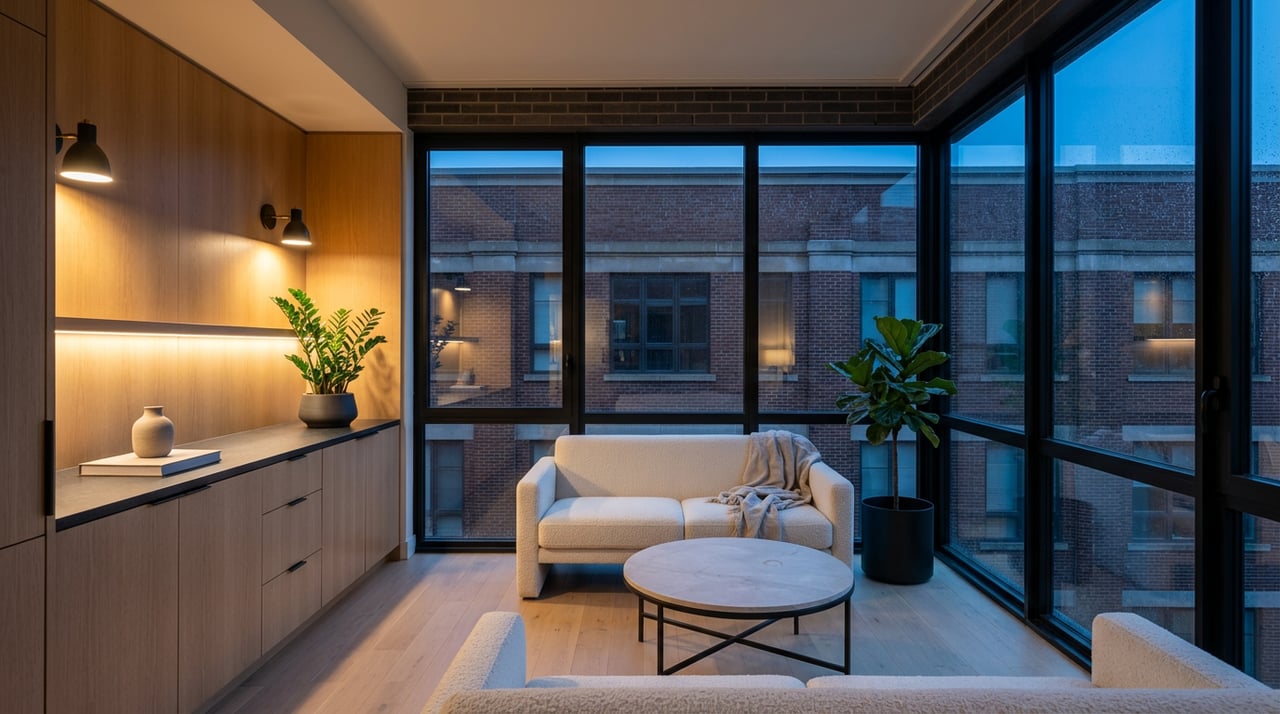
This lifestyle tends to attract buyers who value convenience, flexibility, and proximity. It can also appeal to people looking for a pied-à-terre, a design-forward urban home, or a lower-maintenance ownership experience compared with a detached house.
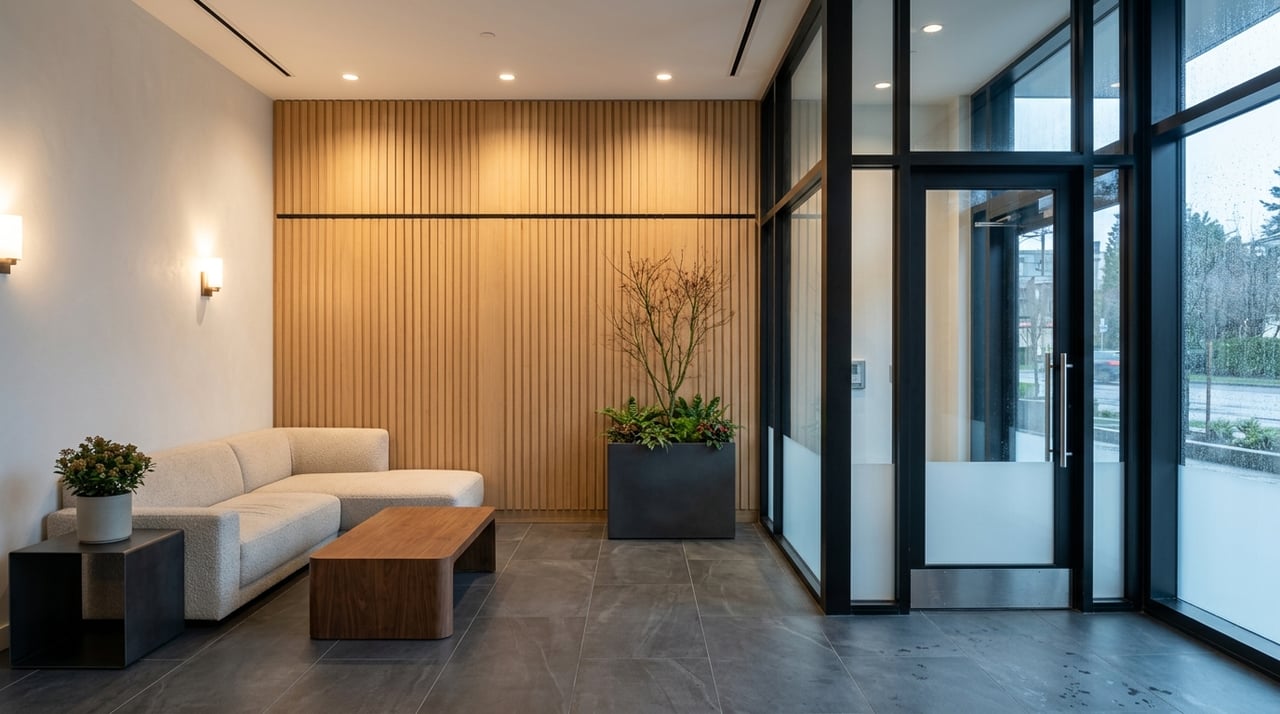
One of the biggest differences between condo buildings is the amenity package. Active downtown listings highlight features such as 24/7 concierge service, indoor pools, two-level fitness centers, covered parking, private balconies, and expansive window lines.
Those details matter because buyers do not all value the same things. Some are paying primarily for location and views. Others are paying for convenience, service, and a more managed living environment.
When you look at resale, this distinction becomes important. A building with amenities that fit current buyer preferences may have a broader audience later, but amenities also affect operating costs and monthly dues.
The market is not standing still. The Downtown Seattle Association’s 2025 Year-End Development Guide reports that downtown added more than 1,600 residential units in 2025, had 3,325 residential units under construction at year-end, and completed 10 new buildings. It also reported that more than 52 new street-level businesses opened in 2025.
That tells you something useful as a buyer or seller. Downtown is an active, changing environment, not a fixed one. New housing, new retail activity, and continued investment can all influence how different pockets of downtown feel and perform over time.
If you are buying a condo, resale planning should begin with the project itself. In downtown Seattle, the building can matter as much as the individual unit, and sometimes more.
Washington condominium law requires reserve studies to be updated annually in many cases, with at least a visual site inspection every three years. These studies track major components such as roofing, painting, paving, decks, siding, plumbing, and windows.
For you as a buyer, this matters because reserve planning gives insight into how the association is preparing for major repairs and replacements. It also affects what a future buyer may think when they review your building years from now.
In Washington, condo resale disclosures can include key financial and planning information such as:
If an association does not have a reserve study, that must be disclosed in the public offering statement or resale certificate. That is not a detail to skim past.
A well-run review process helps you move beyond surface impressions. A beautiful lobby or strong staging can create a great first impression, but the building’s financial structure is what often drives long-term confidence and resale liquidity.
Condo financing is not only about your income, credit, and down payment. Lenders also evaluate the overall project.
Fannie Mae notes that condo projects can be ineligible in cases involving critical repairs, inadequate insurance, significant litigation, or hotel, motel, or daily short-term rental characteristics. It also states that underfunded reserves have been correlated with critical repairs and may lead to special assessments or higher regular dues, which can affect mortgage performance and resale liquidity.
That is a major reason to think strategically before you buy. If a future buyer has fewer financing options because of project-level issues, your resale pool may be smaller even if your individual unit shows beautifully.
It is easy to react quickly to HOA dues, but the better approach is to evaluate them in context. A newer high-rise may have higher monthly costs because it offers more staff, more services, and more amenities.
An older building may look more affordable on a monthly basis, but it may also face larger capital planning needs over time. That does not automatically make one better than the other. It simply means dues should be weighed alongside reserve health, anticipated repairs, and the overall operating model of the building.
For resale, buyers often respond best when the cost structure makes sense and the reasons behind it are clear. A building with higher dues may still be very competitive if it offers strong services, good maintenance planning, and a lifestyle that buyers actively want.
If you are buying or selling, list price alone will not tell you enough. The more useful metrics include inventory, days on market, number of offers, sale-to-list trends, and building-level disclosures tied to reserves, insurance, and assessments.
Redfin’s broader Downtown Seattle market data shows that across all home types, the median sale price was $567,289 over the three months ending April 2026, down 14% year over year, with an average of 56 days on market and about 1 offer. That gives helpful context, but condo decisions still need a more specific, building-by-building lens.
In practice, timing matters. If you expect to own for only a few years, project quality, financing eligibility, and future assessment risk may matter more than a modest difference in countertops, lighting, or cosmetic updates.
One of the easiest ways to misread the market is to assume every downtown dataset covers the same geography. It does not.
The Downtown Seattle Association’s Greater Downtown covers 12 neighborhoods and roughly 4 square miles, while Redfin’s Downtown Seattle neighborhood data reflects a different mapped area. That means price trends, resident counts, and market activity can look different depending on whether you are talking about the retail core, Belltown, Denny Triangle, Pioneer Square, or a broader downtown definition.
If you are comparing options, make sure you are comparing like with like. A condo in one part of downtown may compete with a different buyer pool, price band, and building inventory than a condo just a few blocks away.
A strong condo purchase plan usually comes down to asking better questions early. That can help you avoid surprises and make a more confident decision.
Here are some of the most important questions to ask when evaluating a downtown Seattle condo:
These questions may not be as exciting as views or finishes, but they often have a bigger impact on your long-term flexibility.
Downtown Seattle condos can be a compelling lifestyle choice and a practical ownership option, especially if you want an urban home base with access to transit, culture, and a growing public realm. But the strongest purchases usually come from balancing lifestyle appeal with careful review of the building itself.
That means looking beyond the unit and understanding reserves, dues, project condition, and resale positioning before you commit. If you take that approach, you give yourself a better chance of enjoying the home now while also protecting your options later.
If you want a calm, strategic conversation about buying or selling a downtown Seattle condo, Chris Bierrum can help you evaluate the tradeoffs, review the right details, and build a plan that fits your timeline.
Stay up to date on the latest real estate trends.

I offer the highest level of expertise, service, and integrity. Connect now to get started today.
Get in Touch with Me to Learn More
ADDRESS 1400 112th Ave SE Ste 100 Bellevue WA 98004