Magnolia Seattle Neighborhood Lifestyle: What to Expect
May 28, 2026
May 28, 2026
Looking for a Seattle neighborhood that feels a little quieter, a little more tucked away, and still connected to the city? Magnolia often stands out for exactly that reason. If you want a residential pace, strong park access, and a village-style daily routine, this guide will help you understand what life in Magnolia is really like and whether it may fit the way you want to live. Let’s dive in.
Magnolia sits on a peninsula west of downtown Seattle, which gives it a more separate and secluded feel than many other Seattle neighborhoods. Seattle’s landmark designation materials describe it as topographically distinct and somewhat isolated from the rest of the city, with its western edge overlooking Puget Sound.
That setting shapes daily life in a noticeable way. Even though you are still in Seattle, Magnolia can feel calmer and more residential because it is not a pass-through neighborhood for most people. The result is a setting many buyers appreciate when they want quiet streets and a little breathing room without leaving the city.
Magnolia also has deep roots as a historic streetcar suburb. Seattle’s landmark report notes that the neighborhood developed around a small commercial center now known as Magnolia Village, and that the area was named for Magnolia Bluff and still contains hundreds of magnolia trees.
One of Magnolia’s defining features is that everyday life tends to revolve around a compact local hub rather than a large commercial corridor. That smaller-scale setup gives the neighborhood a more contained, community-centered rhythm.
Magnolia Village serves as the practical heart of the area. It is where many residents handle the basics of daily life, and it helps reinforce the neighborhood’s village-like character.
The Seattle Public Library describes the Magnolia Branch as sitting just three blocks north of Magnolia’s commercial center. The library is framed as a neighborhood haven for leisure reading and study, which adds to the sense that Magnolia offers useful amenities in a close-at-hand format.
Seattle Parks places the Magnolia Community Center at the west edge of Magnolia Village on Magnolia Playfield. On the same block, you will also find Mounger Pool during its summer season, along with play areas and tennis courts.
The Magnolia Farmers Market is another part of that local routine. According to a Seattle Public Library StoryWalk release, the market takes place in Magnolia Village on Saturdays from 10 a.m. to 2 p.m. For many people, that kind of recurring neighborhood event adds convenience and a familiar weekly rhythm.
If outdoor access is high on your list, Magnolia has one of Seattle’s biggest advantages. Discovery Park is the neighborhood’s signature amenity, and it is not a small green patch. Seattle Parks says Discovery Park is a 560-acre natural area and the city’s largest park.
That scale matters because it creates a very different outdoor experience than a typical neighborhood park. Seattle Parks describes the landscape as including meadow lands, sea cliffs, forest groves, dunes, thickets, streams, and two miles of protected tidal beaches, all with views of Puget Sound and the Cascade and Olympic ranges.
For day-to-day living, that means your weekends can look pretty simple in the best way. Trail walks, beach visits, scenic overlooks, and low-key outdoor time are all easy to build into your routine without planning a major outing.
Magnolia also offers smaller outdoor spaces that add variety. Magnolia Park provides bluff-side Puget Sound views, picnic sites, tennis courts, and a play area, making it a useful option when you want something quick and close by.
Magnolia tends to appeal to buyers who want a more residential pace. The area is large by Seattle standards, and SDOT’s BIRT report notes that Magnolia is the city’s second-largest neighborhood by area.
That extra room contributes to a less compressed feel in many parts of the neighborhood. Combined with the peninsula setting, it often creates a sense of separation from the faster pace you may feel in denser parts of Seattle.
This does not mean Magnolia is disconnected from city life. It means the neighborhood often works best for people who value a quieter home environment, easier access to open space, and a daily pattern built around local amenities rather than a high-intensity urban core.
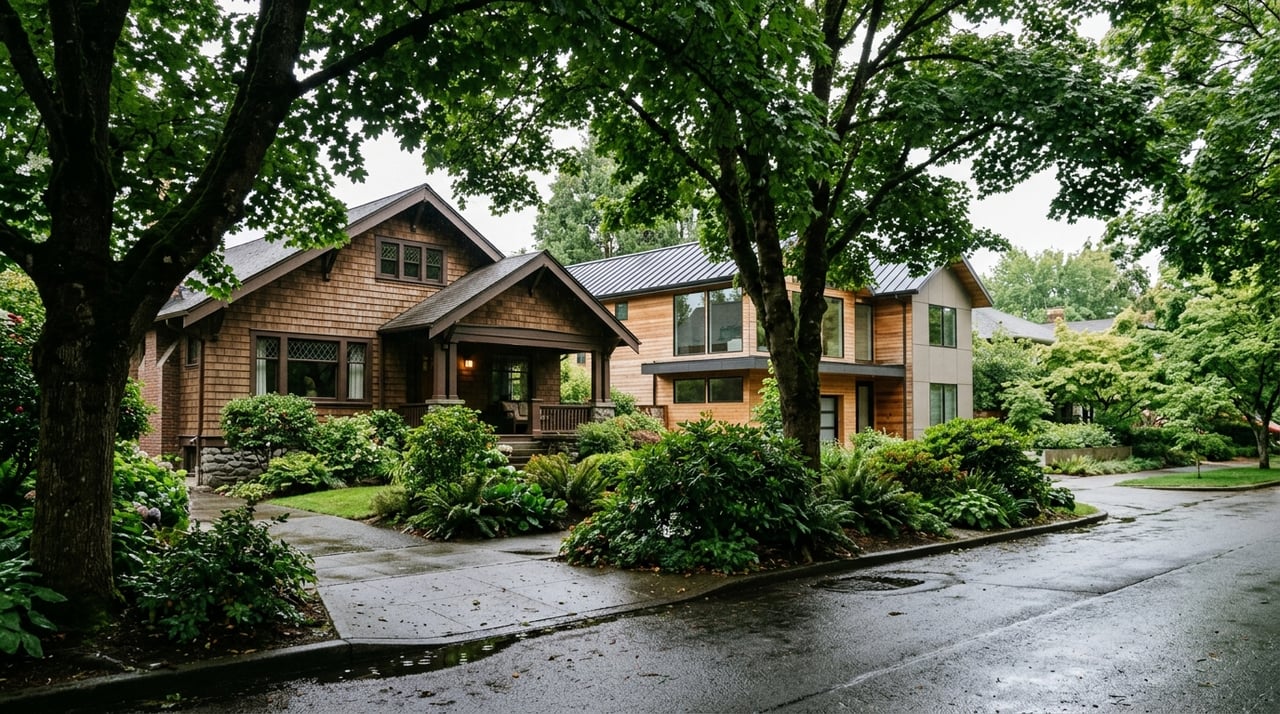
Magnolia’s housing pattern is still largely shaped by low-density development. SDOT describes Magnolia as a predominantly low-density, single-family neighborhood, and the neighborhood’s historic development supports that pattern.
Seattle’s landmark report notes that many of Magnolia’s homes were built as part of a motorized streetcar suburb and that the dominant building type on the plateau is one- and two-story historic revival or contemporary single-family dwellings. If you are looking for detached homes, Magnolia is one of the Seattle neighborhoods where that housing style remains a major part of the landscape.
At the same time, Magnolia is not entirely uniform. The 2025 One Seattle Plan addendum references Magnolia Village and North Magnolia as primarily single-family areas with limited multifamily and some townhome uses.
That mix is worth knowing if you are comparing options. In simple terms, Magnolia is mostly detached-home territory, but there are some alternatives depending on the specific area and property type you want.
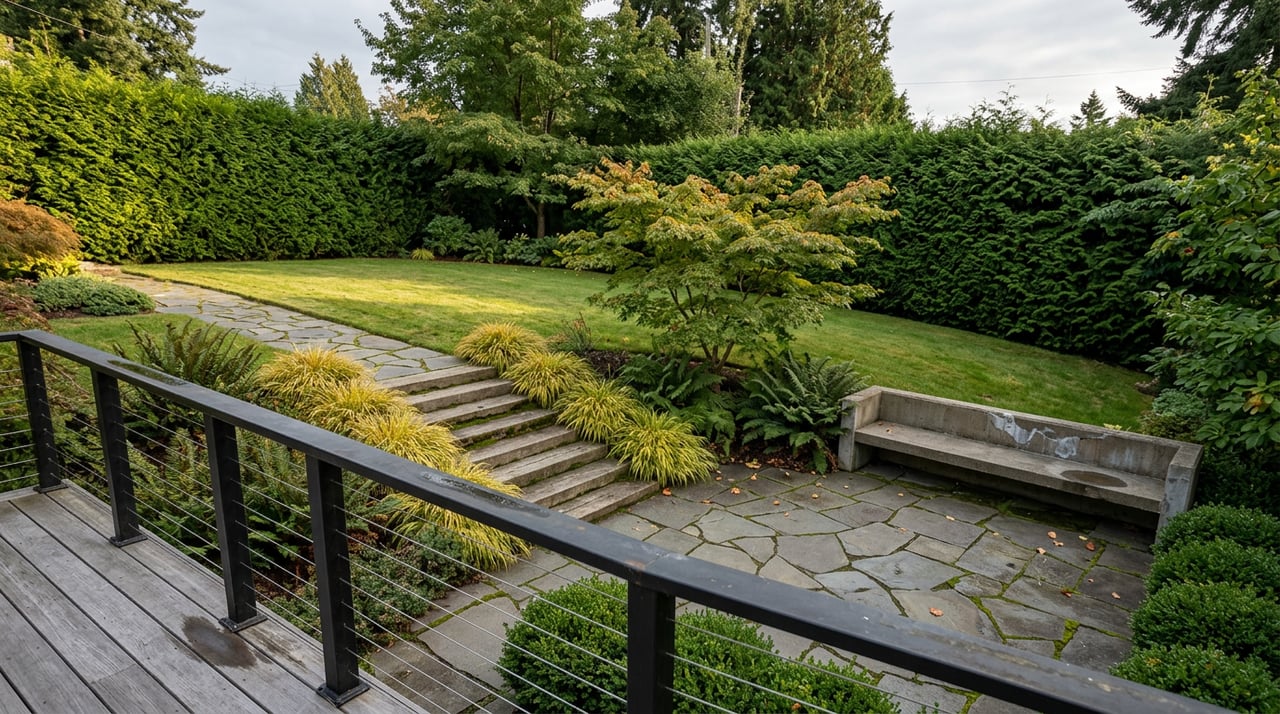
For many buyers, Magnolia’s visual appeal is part of the draw. Its bluff-top setting, water outlooks, and natural edges give the neighborhood a distinctive Pacific Northwest feel.
Some of that appeal comes from the relationship between homes, topography, and open space. In a city where neighborhood character can shift quickly block to block, Magnolia often feels more cohesive because the landscape is such a defining part of the experience.
If you are drawn to residential streets, mature trees, and proximity to scenic overlooks, Magnolia offers that combination in a way few Seattle neighborhoods do. The views are not the only reason people choose Magnolia, but they are often part of what makes the area memorable.
Magnolia’s location comes with a practical tradeoff that is important to understand. Your connection in and out of the neighborhood is bridge-oriented.
SDOT says there are four bridges to Magnolia, and the Magnolia Bridge remains under regular maintenance and inspection. For buyers, that does not automatically make commuting difficult, but it does mean access routes are an important part of everyday planning.
Public transit is available, though Magnolia is not built around direct rail access. King County Metro’s current schedules show Route 24 serving Magnolia, Seattle Center, and Downtown Seattle, while Route 33 serves Discovery Park, Magnolia, Seattle Center, and Downtown Seattle.
In real-life terms, Magnolia often works best if you are comfortable planning around bridge access and bus service. If your priority is a neighborhood with a quieter setting and strong residential character, that tradeoff may feel worthwhile.
Magnolia is not usually the right choice because it is the busiest or most central-feeling part of Seattle. It is often the right choice because it offers a specific balance that can be hard to find elsewhere.
It may be a strong fit if you are looking for:
It may require more thought if your top priority is quick rail access or a denser, more nightlife-driven environment. Like any neighborhood, the best fit comes down to how you want your daily life to work.
When buyers consider Magnolia, I usually suggest focusing on lifestyle fit first. The key question is not just whether the neighborhood is attractive. It is whether its pace, access patterns, and housing options match the way you actually live.
A few practical questions can help:
Those tradeoffs matter because Magnolia tends to be a lifestyle decision as much as a location decision. When the fit is right, it can offer a very appealing mix of calm, convenience, and outdoor access.
If you are weighing Magnolia against other Seattle neighborhoods, a focused plan helps. The right approach is usually to compare commute patterns, housing stock, and day-to-day amenities side by side so you can make a decision with confidence.
If you want help evaluating Magnolia or narrowing down the right Seattle neighborhood for your goals, Chris Bierrum offers calm, strategic guidance to help you move with clarity.
Stay up to date on the latest real estate trends.
I offer the highest level of expertise, service, and integrity. Connect now to get started today.
Get in Touch with Me to Learn More
ADDRESS 1400 112th Ave SE Ste 100 Bellevue WA 98004