Wallingford Seattle Craftsman Homes With Smart Updates
June 18, 2026
June 18, 2026
If you love the charm of an older home but want a layout that works for today, Wallingford is one of Seattle’s most interesting places to look. This neighborhood blends early-20th-century Craftsman character with updated interiors, additions, ADUs, and newer infill, which can make buying or renovating here feel exciting and a little complex. In this guide, you’ll learn what defines a Wallingford Craftsman, which modern updates tend to fit best, and what to look for if you want both character and function. Let’s dive in.
Wallingford’s housing pattern was shaped during a major growth period from 1900 to 1920, and much of the neighborhood still reflects that pre-World War II scale and detailing. Seattle’s neighborhood guidance points to features like single-family bungalows, street trees, and occasional backyard alleyways as part of Wallingford’s identity.
That history matters because it gives the neighborhood a layered feel. You are not just looking at untouched historic homes or brand-new construction. In Wallingford, original Craftsman houses, renovated homes, and newer infill often sit within the same few blocks.
That mix also affects how homes are valued and perceived. As of May 31, 2026, Zillow estimated Wallingford’s typical home value at $1,102,322 with 57 homes for sale, while Realtor.com reported a median listing price of $993K and 76 for-sale properties. These are different snapshots, not direct equivalents, but both support the same general takeaway: Wallingford is a high-value, low-inventory neighborhood.
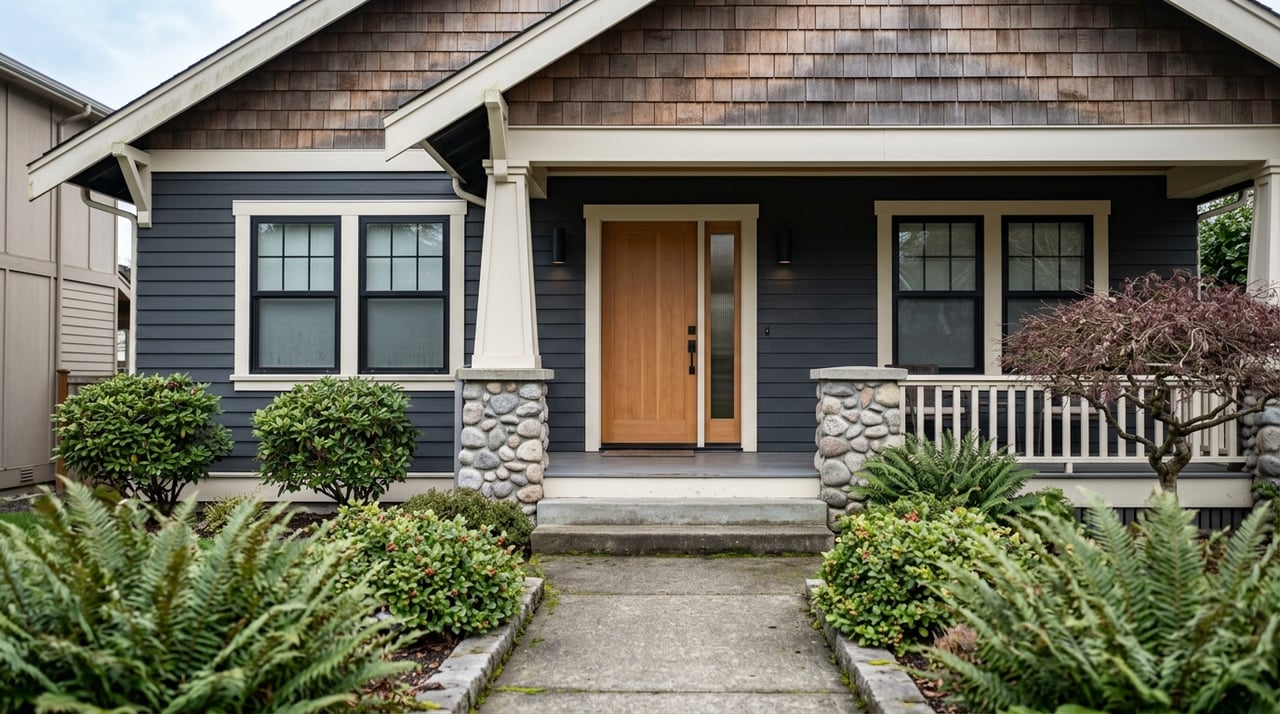
In Wallingford, the American bungalow is one of the clearest architectural signatures. The Washington State Department of Archaeology and Historic Preservation describes the bungalow and Craftsman form as a low-profile house with most living spaces on one floor, designed for efficiency and a strong connection between indoor and outdoor areas.
In practical terms, many Wallingford Craftsman homes are compact 1- to 1½-story houses with simple, efficient plans. Instead of long formal hallways, you often see layouts that give more space to living areas and better day-to-day flow.
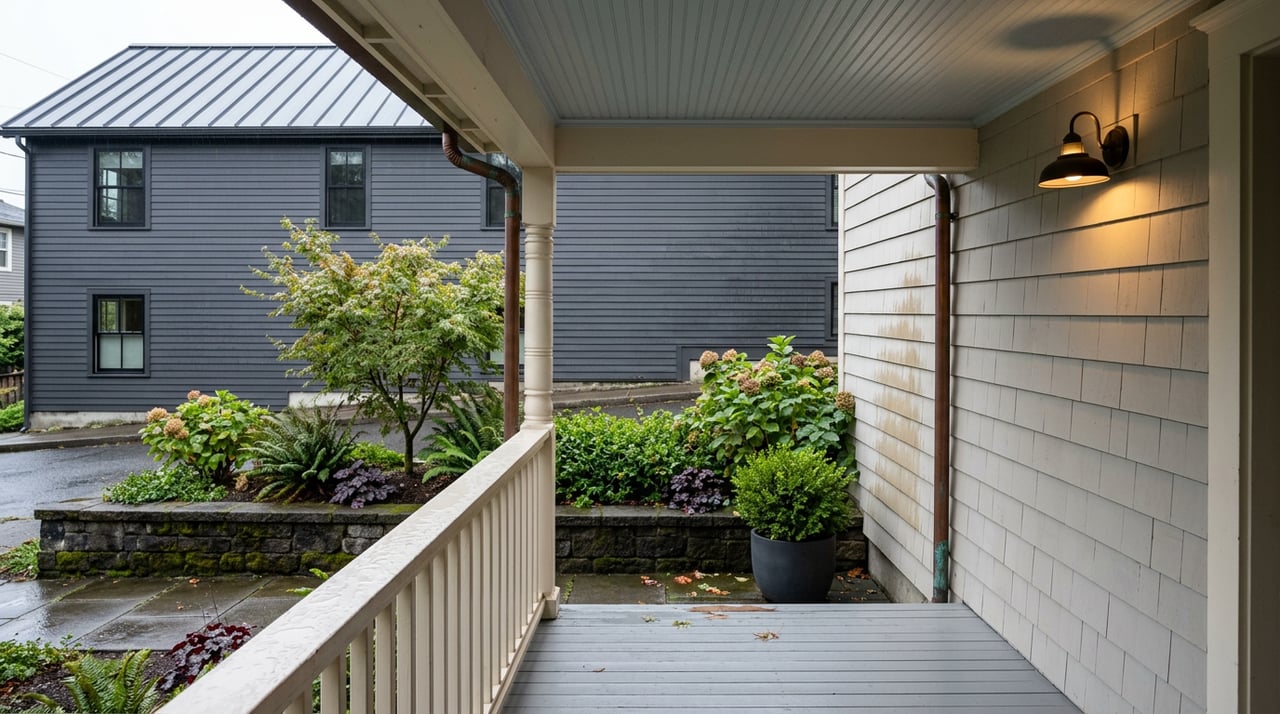
When you walk up to a Craftsman in Wallingford, a few details tend to stand out right away:
These details are a big part of the home’s curb appeal. They also help explain why even modest-size houses in Wallingford can feel visually rich and memorable.
Inside, many Craftsman homes were built to feel practical and open for their time. The original bungalow model prioritized efficient use of space, which still appeals to buyers who want comfort without wasted square footage.
That said, not every Wallingford home you tour will be fully original. Seattle’s historic site inventory includes Wallingford bungalows that later received garages or other additions while still keeping a recognizable Craftsman street-facing look. In other words, change over time is already part of the neighborhood story.
One of the most useful ways to think about Wallingford is this: the goal is rarely to freeze a home in time. More often, the best results come from keeping the architectural character that gives the house its identity while making thoughtful updates that improve daily living.
That could mean opening a kitchen, refining a floor plan, updating systems, or adding usable square footage in a way that still feels coherent from the street. In a neighborhood like Wallingford, buyers often respond well when the home feels both original in spirit and practical in use.
Modern updates usually work best when they respect the home’s scale and visible character. In Wallingford, that often means preserving or thoughtfully reworking features like:
Seattle’s Wallingford design guidance also emphasizes visible entries, roof forms that clearly define the top of a building, landscaping that preserves trees, and parking that is buffered from sidewalks. Even if you are not taking on a major redevelopment project, those ideas are useful for judging whether an update feels at home in the neighborhood.
Not every renovation adds value in the same way. When you are evaluating a home, it helps to ask whether the newer work improves function without overpowering the original house.
A few smart questions to consider:
In a compact bungalow, even a good update can feel awkward if the transition between old and new is not handled well. The strongest remodels usually make the home easier to live in without losing the qualities that made it special in the first place.
Wallingford is not only a neighborhood of older homes. It is also a place where newer housing forms are becoming more visible, especially as Seattle’s housing rules continue to evolve.
Seattle updated its housing rules in 2025, with ADU and middle-housing changes taking effect on June 30, 2025. The city’s HB 1110 compliance work allows a broader range of housing types in residential zones, including duplexes, triplexes, fourplexes, fiveplexes, sixplexes, townhouses, stacked flats, courtyard apartments, and cottage housing.
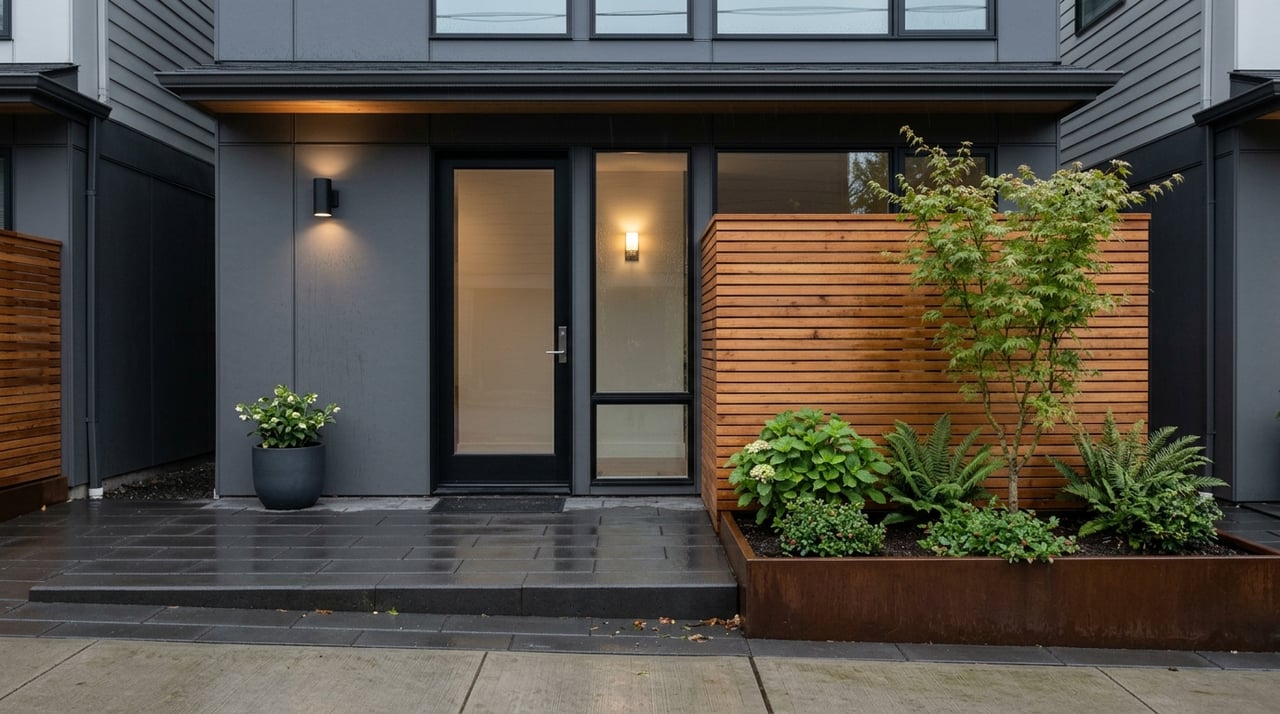
Seattle’s Residential Code defines townhouses as homes with separate entrances and no more than three stories. That matters in Wallingford, where newer townhome-style development can appear alongside older bungalows and remodels.
Official city outreach records already show Wallingford proposals that redevelop single-family sites into townhomes, along with larger apartment and mixed-use projects on corridors like Stone Way North and North 45th Street. So if you are shopping in Wallingford today, you are seeing a neighborhood that continues to evolve, not one that stands still.
If you are considering a Wallingford Craftsman home with modern updates, it helps to separate the decision into three buckets: character, livability, and future flexibility.
Some original features carry more weight than others, especially from the street. The front porch, roofline, window pattern, and exposed wood details often do the most to maintain the home’s Craftsman identity.
Even if the interior has been heavily updated, these visible exterior elements can preserve the sense of place that buyers often want in Wallingford. If those features have been removed or flattened, the home may feel less distinctive.
For daily use, the key question is whether the home still functions like a compact early-20th-century bungalow or whether it has been updated in a way that feels complete and intentional. Some older homes remain charming but tight. Others have been opened up and extended in ways that better support modern living.
As you tour homes, pay attention to how the kitchen, main living spaces, and transitions to outdoor areas feel. In many Craftsman homes, small changes to flow can make a big difference in how the house lives.
If you are thinking longer term, consider whether the lot and existing improvements may support an ADU or another form of expansion. Wallingford’s planning history has supported a variety of housing types, and Seattle’s current code framework now supports ADUs in residential zones.
That does not mean every property will support the same options. A small interior remodel, an accessory unit, and a larger addition can each fall into different review or permit paths, so it is smart to understand the scope of what you are considering.
If you already own a Wallingford Craftsman, the best renovation decisions usually start with a clear priority. Are you trying to improve layout, add square footage, create rental flexibility, or strengthen resale appeal? The answer shapes what comes next.
For smaller projects, the goal is often to improve function while keeping the details that give the home its visual identity. For larger projects, you may also need to think carefully about site scale, roof form, visible entry design, and how the project reads from the sidewalk.
In Wallingford, curb appeal carries real weight. The porch, roofline, siding, landscaping edge, and relationship to the sidewalk often shape a buyer’s first impression before they ever step inside.
That is why updates that preserve human scale and street presence usually read better than changes that make the home feel oversized or visually disconnected from neighboring properties. In this neighborhood, subtle often works better than overbuilt.
Before planning work, it helps to clarify whether your project is:
Seattle’s code framework now supports ADUs in residential zones, while larger multifamily or commercial work may be subject to the city’s design review process and Wallingford-specific guidance. Knowing where your project fits can save time and help you make better design decisions early.
In a neighborhood with limited inventory and strong buyer interest, the details of design and condition matter. Two homes with similar square footage can land very differently depending on how well they balance original character with practical updates.
That is especially true in Wallingford, where buyers are often drawn to architecture, curb appeal, and the feel of the block as much as they are to basic specs. A well-updated Craftsman can stand out because it offers something hard to replicate: authentic character with everyday usability.
If you are buying, selling, or planning updates, it helps to look past buzzwords and focus on what is actually there. The best opportunities usually come from understanding how the home fits into Wallingford’s bigger pattern of older houses, later additions, and newer infill.
If you want calm, strategic guidance on buying or selling in Wallingford, Chris Bierrum can help you evaluate character, updates, market position, and next steps with a clear plan.
Stay up to date on the latest real estate trends.
I offer the highest level of expertise, service, and integrity. Connect now to get started today.
Get in Touch with Me to Learn More
ADDRESS 1400 112th Ave SE Ste 100 Bellevue WA 98004