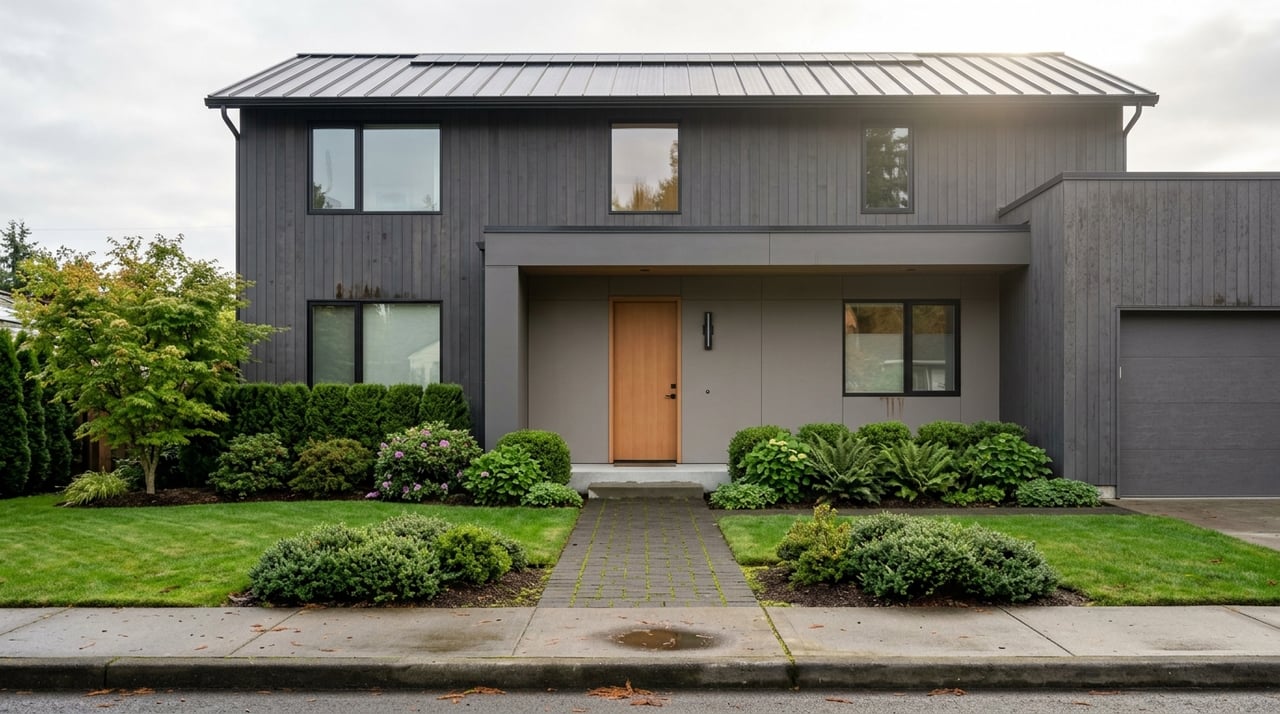
How Bellevue WA Neighborhoods Shape Your Home Search
April 16, 2026
April 16, 2026
If you start your Bellevue home search by chasing listings one by one, it can get overwhelming fast. Bellevue’s neighborhoods are not all built for the same kind of daily life, and that matters just as much as price or square footage. When you understand how the city is organized, you can search with more focus, compare the right areas first, and make your tours feel far more manageable. Let’s dive in.
Bellevue is organized into 16 distinct neighborhood areas, and the city groups them into categories like urban core, mixed-use hubs, neighborhood centers, transit nodes, and neighborhood residential areas. According to Bellevue’s Great Neighborhoods planning framework, that structure shapes where housing growth, walkability improvements, and services are expected.
For you as a buyer, that means neighborhood choice is really a lifestyle choice. It affects the housing types you are most likely to find, how easy errands feel, and whether your routine leans transit-first, freeway-first, or more residential and car-dependent.
A smart Bellevue search plan starts with how you actually live. Before comparing homes, it helps to decide whether your top priority is transit access, commute convenience, walkable services, or more space and a quieter street pattern.
This matters because Bellevue is intentionally directing much of its future housing and job growth into mixed-use centers such as downtown, BelRed, Crossroads, Wilburton, Eastgate, and Factoria, as outlined in the city’s Bellevue 2044 draft planning materials. Those areas often make the strongest first shortlist if you want convenience and connectivity.
Bellevue’s housing guide places Downtown, BelRed, Wilburton, and East Main in the urban-core category. These are the areas most associated with higher-density housing, stronger transit access, and a more active daily pattern, based on the city’s neighborhood profiles and Planning for Housing guide.
If you want shorter errand runs, easier access to restaurants and offices, and a car-light routine, this is usually the right place to begin. The tradeoff is often space. Bellevue’s housing guide notes that urban-core areas are where larger high-rise and mid-rise buildings are expected, with much of the inventory in smaller unit types like studios and one-bedrooms.
Downtown is Bellevue’s primary economic and employment center and its fastest-growing residential neighborhood. It is the clearest fit if you want the most urban experience Bellevue offers, with dense housing and strong access to jobs, shops, and transit.
Transit is a major factor here. Bellevue’s 2 Line runs through downtown stations, and as of March 28, 2026, it also reaches Seattle through the East Link extension, according to the city’s neighborhood profile information.
BelRed and Wilburton are especially important if you want to get ahead of Bellevue’s evolving transit-oriented growth. The city has updated the BelRed land use plan to increase capacity for future housing and job growth, and city housing solicitations have framed both BelRed and Wilburton as walkable, transit-oriented districts.
For buyers, these neighborhoods can be worth touring early because they sit at the intersection of access and change. If your goal is to find a location with strong transit connections and a more modern development pattern, they deserve a close look.
Crossroads, Eastgate, and Factoria fall into Bellevue’s mixed-use category. In the city’s housing guide, these areas are described as places with a blend of mid-rise apartments, smaller apartment buildings, townhomes, and walkable access to retail and services.
For many buyers, this is the practical middle ground. You may not get the same urban feel as downtown, but you can often find a balance between everyday convenience, commute access, and a somewhat less intense pace.
The city describes Crossroads as bustling, densely populated, and richly diverse, with large apartment complexes, established single-family neighborhoods, and a strong retail and community-services core. That combination can make it appealing if you want options in housing type and nearby daily needs.
Crossroads is a useful comparison point because it blends residential areas with a strong local services base. If you want a neighborhood where errands and activities can feel close at hand, it belongs on your tour list.
Eastgate and Factoria stand out for commute planning. The Eastgate Subarea Plan describes Eastgate as a gateway for south Bellevue and a key travel axis between the Eastside and Seattle, while the Factoria Subarea Plan describes Factoria as a busy urban area with substantial commercial space and offices.
If your work takes you across I-90 or I-405, these neighborhoods can make a lot of sense to evaluate early. They are often strong candidates for buyers who want to stay connected to major routes while still having retail and services nearby.
Bellevue also offers many areas that feel more residential than urban. The city’s neighborhood profiles identify places like West Bellevue, Woodridge, Lake Hills, Newport, Somerset, and Northeast Bellevue as having more established residential character, with features like quieter streets, natural buffers, trails, or a woodsy feel.
The city’s housing guide places these types of areas closer to the neighborhood-residential category, where housing is more often made up of single-family homes, duplexes, triplexes, cottage homes, and townhomes. In many cases, the tradeoff is less immediate access to retail and transit in exchange for more space or a calmer street pattern.
West Bellevue is one of the city’s most established and historic neighborhoods, and it will be served by South Bellevue Station. Woodridge is known for quiet streets and residential homes, while Lake Hills is described by the city as retaining its original single-family charm.
These areas are often worth exploring if you want a more residential feel without leaving Bellevue’s broader network of amenities behind. They can offer a very different experience from the urban core, even within the same city.
Newport is noted for its strong neighborhood identity and natural buffers. Somerset offers trails and quick access to both I-90 and I-405, while Northeast Bellevue is described as having a woodsy character and many residents employed by Microsoft-area companies in the city’s neighborhood profiles.
If your goal is to prioritize space, residential surroundings, or easier access to certain Eastside job centers, these neighborhoods can help sharpen your search. They are especially useful to compare against more mixed-use or transit-oriented options so you can feel the tradeoffs clearly.
Bellevue remains a high-cost market, so neighborhood strategy matters. Zillow’s Bellevue market data, updated February 28, 2026, shows an average home value of $1,485,210 and a median sale price of $1,283,333 on its Bellevue home values page.
That does not mean every neighborhood or housing type will feel the same on budget. It does mean that narrowing your search by lifestyle first can save time and help you focus on options that match both your financial plan and your day-to-day needs.
One of the easiest ways to reduce decision fatigue is to group showings by neighborhood type. Instead of jumping from one random listing to another, compare areas that serve the same goal.
A practical sequence based on Bellevue’s land-use categories looks like this:
This approach makes it easier to notice what really matters to you. After two or three tours in the same category, your preferences usually become much clearer.
A final step that helps many buyers is revisiting top neighborhoods during the hours you would actually use them. The same area can feel very different during a morning commute, after-work errand run, or peak traffic period.
That is especially true in Bellevue, where light rail activity, freeway traffic, retail patterns, and ongoing redevelopment in places like BelRed, Wilburton, Eastgate, and Factoria can all affect how a neighborhood feels day to day. A good plan is not just about where the home is. It is about how the location works in real life.
If you want a calm, strategic way to narrow Bellevue neighborhoods and build a more efficient search plan, Chris Bierrum can help you compare tradeoffs, structure tours, and move forward with clarity.
Stay up to date on the latest real estate trends.
I offer the highest level of expertise, service, and integrity. Connect now to get started today.
Get in Touch with Me to Learn More
ADDRESS 1400 112th Ave SE Ste 100 Bellevue WA 98004