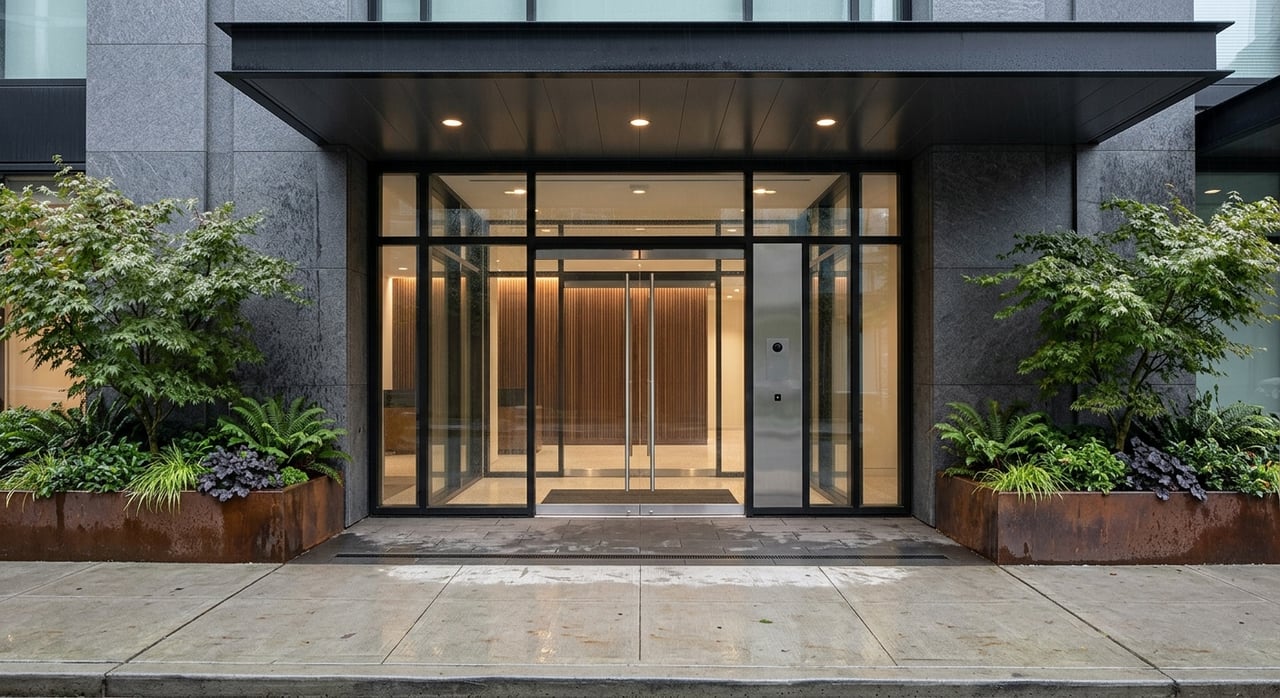
How to Sell a Downtown Seattle Condo Remotely
May 21, 2026
May 21, 2026
Selling a downtown Seattle condo while you live somewhere else can feel like trying to run a small construction project, a marketing launch, and a legal timeline all at once. If you are out of state, traveling often, or simply want a smoother process, you need more than a sign in the lobby and hope for the best. This guide walks you through how to plan a remote condo sale in Downtown Seattle, avoid common timing mistakes, and stay in control from listing prep through closing. Let’s dive in.
Downtown Seattle condo owners are selling into a market where details matter. Public market trackers show active inventory, with hundreds of condos for sale downtown, median listing prices around the upper-$500,000 range, and homes often taking around 54 to 62 days to sell. Reports also point to a buyer’s market and sale-to-list ratios around 98%.
That does not mean your condo cannot sell well. It means pricing, presentation, and building-level context carry more weight than they would in a faster market. If you are remote, a clear plan helps you make decisions faster and keep the process moving.
Downtown Seattle is still a highly desirable urban area, and its Walk Score of 98 reflects that. But for condo resales, buyers are comparing your home against a lot of competing options. They are also paying close attention to the building, monthly ownership costs, reserve health, rules, and any known issues.
In this kind of market, a remote seller benefits from treating the listing like a managed rollout. You want the condo to hit the market with strong visuals, complete paperwork, and a pricing strategy that matches current conditions instead of outdated expectations.
The biggest remote-sale mistake is waiting too long to organize the moving parts. A downtown condo sale usually has two important disclosure tracks in Washington, and both can affect your closing timeline.
First, there is the Washington seller disclosure statement, often called Form 17, under RCW 64.06. For most condo resales, the seller disclosure is generally due within five business days after mutual acceptance, and the buyer then has three business days after receiving it to rescind unless the parties agree otherwise.
Second, there is the condo association resale certificate under RCW 64.34 or RCW 64.90. The association must furnish the resale certificate within 10 days after request, and the law caps the reasonable preparation fee at $275. Under RCW 64.90, an update fee is capped at $100.
This is where remote sales often get delayed. Buyers have a five-day cancellation or extension window tied to receipt of the resale certificate, so if that packet comes in late, closing can move with it.
For downtown Seattle condos, the resale certificate is not a minor detail. It gives the buyer key information about the building and association, and it often shapes how confident a buyer feels about moving forward.
The certificate covers items such as:
It also must disclose when the association does not have a current reserve study. For a remote seller, that means it is smart to request the resale certificate early and review it carefully before you are deep into negotiations.
Remote condo sales run better when access is simple. Before launch, identify every item a vendor, agent, or buyer may need to enter or evaluate the property.
Your checklist should include:
This may seem basic, but it can save real time. If a cleaner, stager, handyman, photographer, or inspector cannot get in easily, your launch timeline starts slipping right away.
A remote listing works best when each prep step happens in the right order. Cleaning, small repairs, staging, and photography should be sequenced before the listing goes live so the online presentation matches the in-person experience.
This matters because many buyers begin online. Research cited here notes that 43% of buyers first start their search online, and buyers’ agents say photos, staging, videos, and virtual tours are highly important in helping buyers understand a home.
A smart prep sequence often looks like this:
Once listed, keep the condo showing-ready. Buyers who love the photos expect the same experience when they walk in.
Downtown Seattle condo buyers are not just buying square footage. They are comparing lifestyle, building quality, and daily function. Your marketing package should reflect that.
For a downtown condo, the strongest visual story often highlights:
Professional visuals are especially important in a market with more choices. Research referenced here notes that buyers’ agents rated photos as the most important listing media, followed by staging, videos, and virtual tours. Staging also helps buyers visualize the home, and many agents report that it can support stronger offers or faster sales.
In a buyer-leaning condo market, price is not a guess. It is part of the marketing strategy. With reported sale-to-list ratios around 98% and median days on market stretching well past a few weeks, pricing too high can make a downtown condo sit longer and force reductions later.
A remote seller usually has less flexibility to adjust on the fly, so it helps to set strategy upfront. You want pricing that reflects current competition, your building’s position, your unit’s condition, and the quality of the presentation.
The goal is not to chase the highest possible number on day one. The goal is to create a credible launch that attracts serious buyers and gives you leverage in negotiation.
When you are not local, uncertainty grows in the gaps between updates. That is why remote condo sales benefit from a set communication rhythm instead of occasional check-ins.
A practical approach is a weekly update during pre-launch, then more frequent updates once the condo is live or under contract. This gives you time to make decisions on prep, pricing, showing feedback, offers, and next steps without feeling like you are constantly reacting.
This kind of structure also fits what many sellers value most: strong marketing, competitive pricing, and a defined selling timeframe. A calm, project-managed process helps you stay focused on those priorities.
Once your condo is under contract, timing becomes even more important. The main risk for a remote seller is sequencing, especially when different documents create buyer review periods.
Keep these milestones on one shared calendar:
This helps prevent one of the most common problems in remote sales: someone informally working toward a closing date before the disclosure timelines are actually clear.
If you learn about a new issue after completing the seller disclosure, Washington law requires an amendment. That is important in any sale, but especially in a condo transaction where building and unit details can change during the listing period.
Under RCW 64.06, if the issue is not cured at least three business days before closing, the buyer can receive a new rescission window after getting the amendment. In plain terms, a late-breaking issue can affect your timeline.
That is another reason remote sellers do better with proactive oversight. It is easier to manage changes when the process is organized from the start.
If you want the process in one view, here is the practical roadmap:
A remote condo sale can absolutely be smooth. The difference is usually not luck. It is preparation, communication, and a process that respects how condo transactions actually work in Washington.
If you are planning to sell a downtown Seattle condo from out of town, the best first step is building a clear plan before the listing goes live. That includes prep, pricing, building documents, vendor coordination, and a communication structure that keeps you informed without adding stress. When you want calm, detail-driven support for that process, connect with Chris Bierrum.
Stay up to date on the latest real estate trends.


I offer the highest level of expertise, service, and integrity. Connect now to get started today.
Get in Touch with Me to Learn More

ADDRESS 1400 112th Ave SE Ste 100 Bellevue WA 98004