Ballard Seattle Condo & Townhome Buying Guide
March 24, 2026
March 24, 2026
Love Ballard’s energy but unsure whether a condo or townhome fits you best? You are not alone. Between building types, HOA rules, parking tradeoffs, and financing, the details can feel overwhelming. This guide breaks it down so you can compare options with confidence, plan smart due diligence, and move forward on the right home for your lifestyle and budget. Let’s dive in.
Ballard is a designated Hub Urban Village in Seattle’s planning framework, which means a compact, walkable core with shops, restaurants, parks, and a mix of housing types. You will see low to mid-rise buildings along Market Street and Ballard Avenue, plus ground-related homes as you move outward. That mix gives you a range of price points, layouts, and amenity tradeoffs within a few blocks of daily needs. For neighborhood context, review the city’s Ballard urban design materials that shape building scale and street character around the commercial core and adjacent blocks. You can explore that framework in the city’s Ballard Urban Design report from Seattle OPCD.
Choosing between a condo and a townhome in Ballard comes down to how you want to live day to day and how you want to manage maintenance.
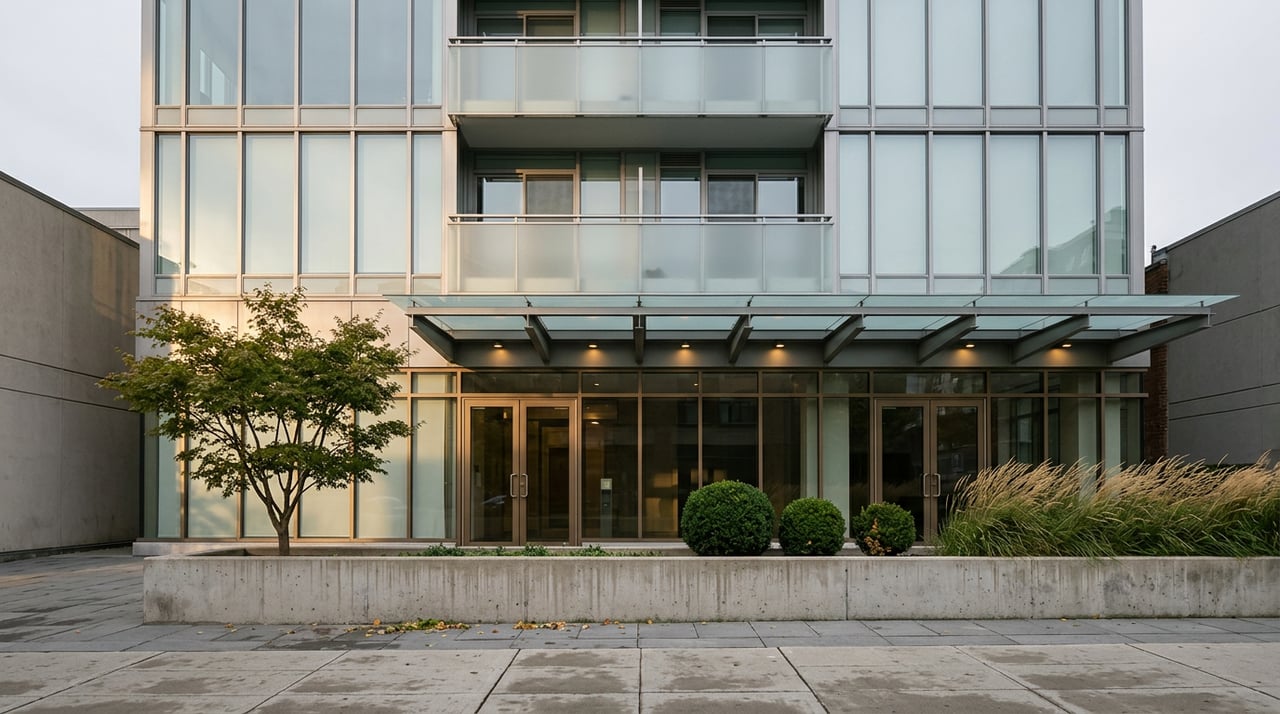
Close to NW Market Street and Ballard Avenue you will find apartment-style condos in mixed-use buildings. Many include elevators, smaller balconies, and retail at street level. These work well if you want a short walk to cafes and transit and prefer shared building maintenance handled by an HOA.
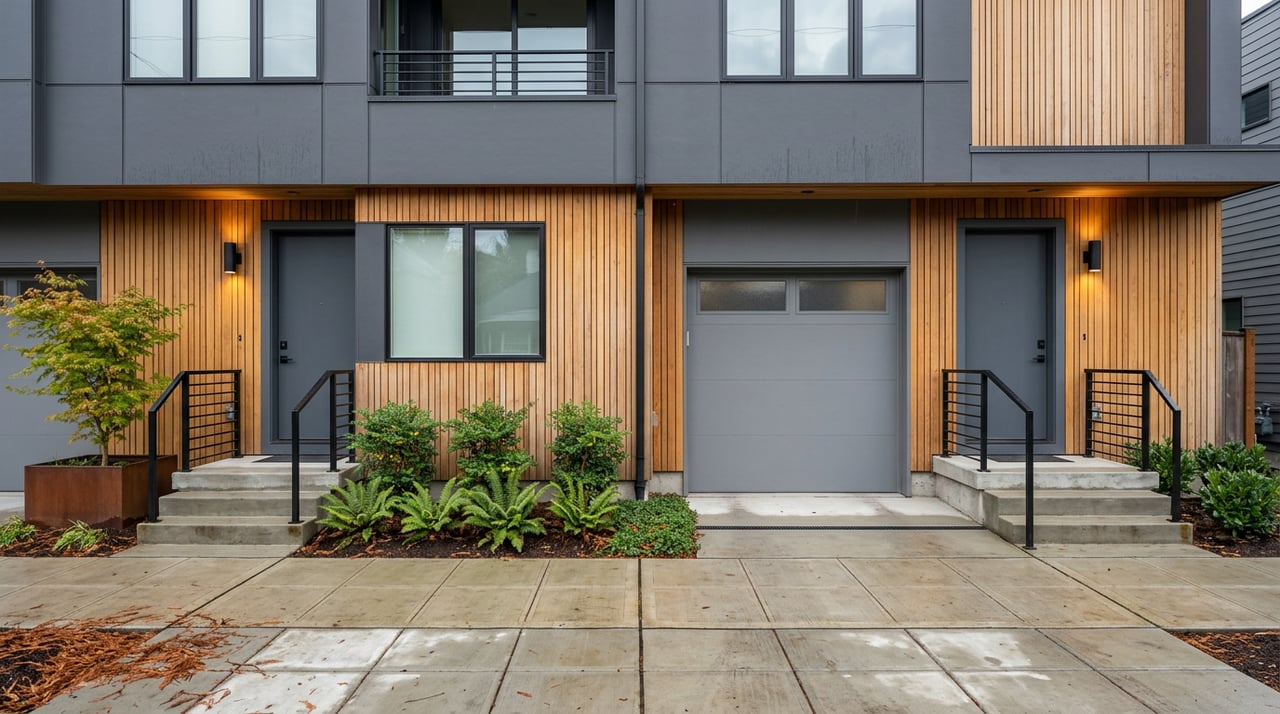
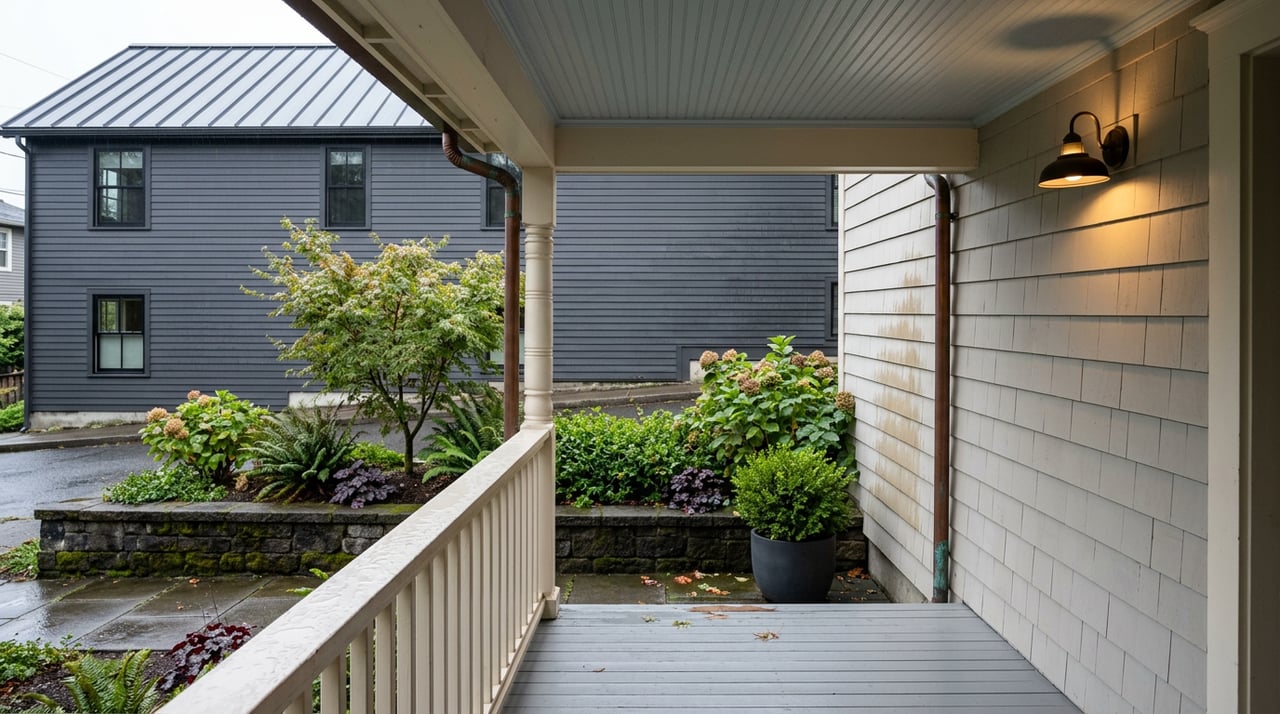
Across the inner neighborhood you will see attached multi-story homes, often with a private entry and a garage or tandem parking. Townhomes frequently offer more private outdoor space, like a small patio or rooftop deck, and feel more “house-like” while keeping you in the urban core. You will self-manage more items compared with a large condo HOA, but many townhome communities still have shared maintenance agreements.
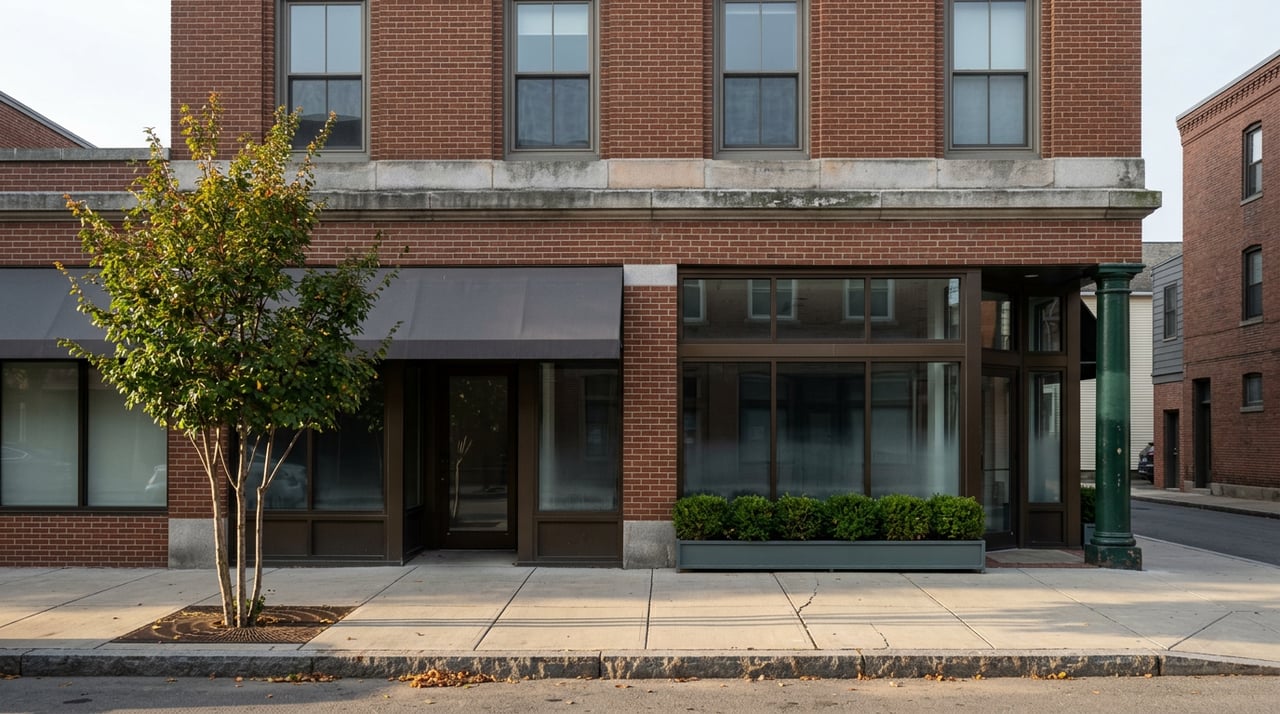
Some units above historic storefronts and older conversions offer distinctive character, but layouts, systems, and deeded parking can vary widely. Financing and insurance can be more complex for these buildings, so plan extra time for document review and lender questions.
Parking and outdoor space are two of the most important lifestyle choices you will make in Ballard.
Seattle’s land use code allows no minimum off-street parking in urban village cores, which affects how newer Ballard buildings are designed. You will often see units sold with zero or one assigned space, and some buildings unbundle parking from the unit. Always confirm whether parking is deeded, assigned, or available for separate purchase or lease. You can review the city’s no-minimum parking framework in the land use materials that apply to Ballard’s core areas. Learn more in Seattle’s parking standards reference: SMC 23.54.015 overview materials.
Street parking in Ballard’s commercial core can be tight at peak hours. Some areas use Seattle’s Restricted Parking Zone (RPZ) program, which offers resident and guest permits where zones apply. If you plan to street-park, check RPZ eligibility and enforcement hours before you write an offer. Read how RPZs work on the Seattle Department of Transportation page: Restricted Parking Zone program.
This is where many condo and townhome purchases succeed or fail. You want full clarity on documents, building finances, and lender requirements early in the process.
Washington law requires a condominium seller to provide a resale certificate and associated documents to a buyer. This packet is your primary source for the HOA budget, reserve study, insurance policy, meeting minutes, and any disclosed claims or litigation. You also receive statutory rights tied to the timing and review of these documents. Read the condo statute here: RCW 64.34 Condominium Act.
Many attached-home communities that are not legally condominiums are governed by Washington’s HOA statute. That law addresses records, budgets, and some reserve disclosure points. See the homeowners’ association statute here: RCW 64.38. Washington is also transitioning to a unified common-interest law in 2028, so associations should expect governance and disclosure updates over time.
Most conventional lenders want the project to meet agency eligibility rules so they can sell the loan to Fannie Mae or Freddie Mac. Lenders check building eligibility through Fannie Mae’s Condo Project Manager, and if a project is not easily verifiable, you may need a portfolio or specialty loan or a larger down payment. That can change timelines and costs, so start the project review as soon as you identify a building. Learn more about the process here: Fannie Mae Condo Project Manager.
These items appear in lender questionnaires and can affect both financing and resale value.
Most recent Ballard mid-rise and townhome projects are wood-frame with contemporary cladding systems. In the Pacific Northwest, water-intrusion and building-envelope repairs have been recurring themes for multifamily housing. If a building has pending envelope work or litigation, it can influence HOA assessments, master insurance, and lender acceptance. Consider an inspection plan that looks closely at flashing, roofing, and siding details, and review any past or planned envelope work noted in the HOA packet. For a primer on construction risks and timelines in Washington, see this legal overview: Washington construction-law compendium.
Think about what will help your unit sell well later.
Use these filters and notes to focus on the right listings.
Move these items to the top of your offer timeline.
Tip: Build in 7 to 21 days to review documents and complete lender and inspection steps. If the resale certificate arrives late, your statutory review rights apply, so track your dates carefully.
The Ballard Link Extension is an official Sound Transit project under ongoing environmental review and design work. Buyers often value proximity to a future station, but planning and schedule details have evolved, so think of any transit-driven value as a medium or long-term factor. You can follow status updates on the project page: Sound Transit Ballard Link Extension.
If you want a home that fits how you live, clarity beats speed. Start with your must-haves, plan your financing and project review early, and get the HOA packet as soon as possible. If you would like a calm, detail-driven partner to help you compare buildings, read resale certificates, and coordinate inspections, I am here to help.
Schedule a consultation with Chris Bierrum to map your Ballard condo or townhome plan.
Stay up to date on the latest real estate trends.
I offer the highest level of expertise, service, and integrity. Connect now to get started today.
Get in Touch with Me to Learn More
ADDRESS 1400 112th Ave SE Ste 100 Bellevue WA 98004