Kirkland Living: Navigating Waterfront And Urban Options
April 2, 2026
April 2, 2026
If you are thinking about a move to Kirkland, the hardest part is often not deciding whether to live there. It is deciding how you want to live there. In one city, you can find waterfront routines by Lake Washington, walkable urban living near shops and dining, and quieter residential pockets with more space and greenery. This guide will help you understand those options, compare the tradeoffs, and narrow in on the Kirkland lifestyle that fits you best. Let’s dive in.
Kirkland is not one uniform housing market. The city describes it as a group of 14 neighborhoods, each with its own plan, and notes that more than 75% of the land area is zoned for housing. That helps explain why your day-to-day experience can shift quickly depending on where you live.
The numbers reinforce that Kirkland is a premium Eastside market. The city's 2024 Census estimate puts the population at 95,499, with a median owner-occupied home value of $1,115,400 and median gross rent of $2,401, according to the U.S. Census QuickFacts for Kirkland. In practical terms, housing type and location both matter when you are setting expectations.
Kirkland also stands out for its physical setting. The city highlights 59 developed parks, more than 500 acres of natural area, and 9.5 miles of accessible shoreline in its official materials. That mix of shoreline, hillsides, wooded areas, and connected neighborhoods is a big reason the city appeals to so many different buyers and sellers.
The cleanest way to think about Kirkland is through three overlapping lifestyle categories: waterfront leisure, urban walkability, and quieter residential living. Each one lines up with different housing types, daily routines, and price points.
If lake access is high on your list, Kirkland gives you several ways to enjoy it. The city’s shoreline setting includes public spaces like Marina Park, which offers lake views, a sandy beach, a boat launch, and close access to downtown businesses and restaurants.
You also have destinations like Juanita Beach Park, with 1,000 feet of shoreline, a seasonal swimming area, bathhouse, and summer market. Doris Cooper Houghton Beach Park adds another shoreline option with seasonal swimming access. These public amenities shape the experience of living in waterfront-adjacent areas, even if you are not purchasing directly on the lake.
For buyers, it is important to understand that waterfront living in Kirkland comes with rules as well as views. The city’s Shoreline Master Program applies to land within 200 feet of Lake Washington’s ordinary high water mark and to connected wetlands in places like Juanita Bay and Yarrow Bay. If you are considering a shoreline property, that can affect docks, access, renovations, and long-term property planning.
If you want a more car-light routine, Kirkland has strong urban pockets. The city’s urban centers overview points to historic downtown, the NE 85th Street Station Area, and Totem Lake as key centers for mixed-use growth, housing, and improved pedestrian, bike, and transit connections.
Historic downtown blends commercial uses with medium- and high-density housing. Totem Lake has grown into another major urban center, with the Village at Totem Lake combining residential, retail, and office uses, plus Totem Lake Park as a recreational anchor connected to the Cross Kirkland Corridor.
The same city analysis also identifies Downtown, Village at Totem Lake, and Juanita Village as highly walkable mixed-use areas. If your priorities include being near dining, everyday services, trails, and transit connections, these areas deserve close attention.
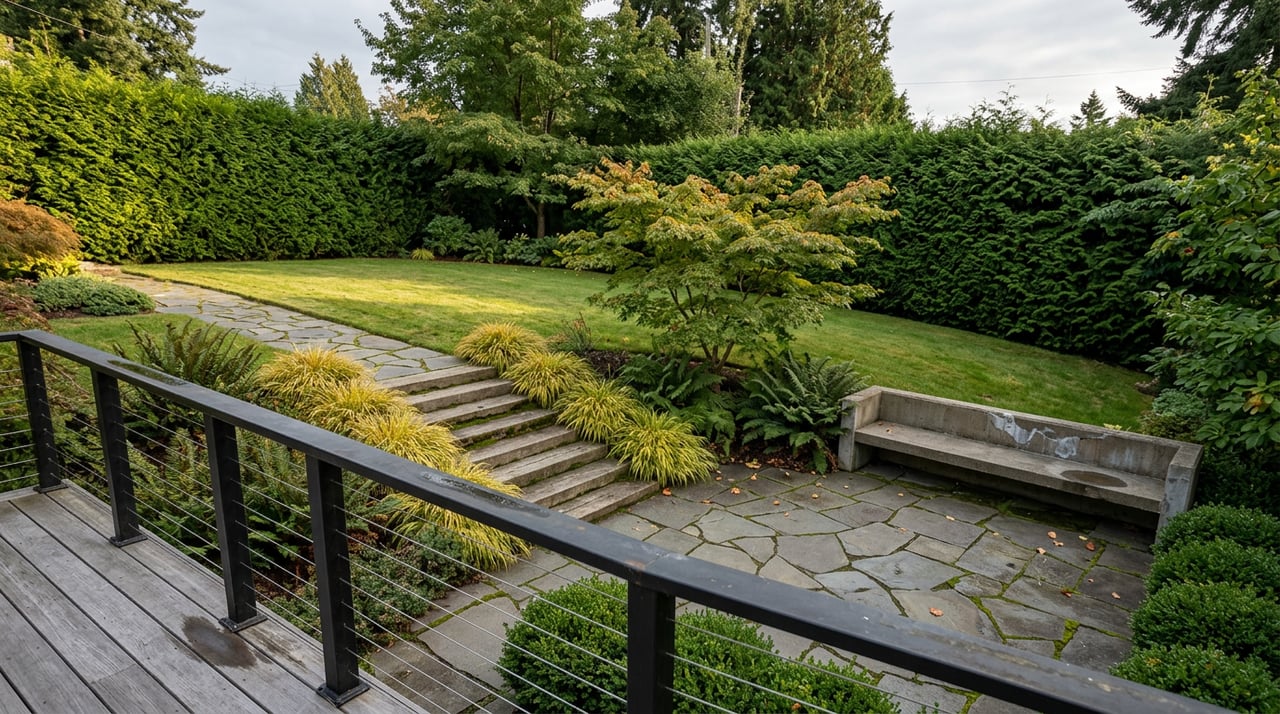
Not every Kirkland move is about being near the lake or the busiest commercial streets. Some buyers want more privacy, larger lots, or a more traditional residential setting while staying within Kirkland.
Areas like Bridle Trails, Finn Hill, Everest, and North and South Rose Hill offer that different rhythm. City planning materials describe Bridle Trails as preserving a low-density residential and equestrian character, while North and South Rose Hill include residential greenways that prioritize walking and bicycling. These neighborhoods can appeal if you want more room and a more suburban feel than downtown offers.
One of Kirkland’s strengths is that you do not always have to choose between lake access and convenience. Several neighborhoods sit in the middle, offering a residential feel with nearby commercial nodes, parks, and shoreline amenities.
According to the city’s neighborhood planning materials, Lakeview has a distinctive waterfront town character and includes a mix of single-family and multifamily housing, offices, neighborhood-oriented businesses, and the Carillon Point and Yarrow Bay business centers. That makes it a useful option if you want a lake-oriented setting without feeling disconnected from daily conveniences.
Central Houghton is predominantly single-family, but the city notes it also includes medium- and high-density residential areas, offices, neighborhood businesses, and access to the Cross Kirkland Corridor. In real life, that can translate into a flexible mix of housing choices and commuting options.
Juanita also stands out for its balance. The city describes it as a neighborhood with two mixed-use centers, detached homes, and clustered small-lot development. Combined with Juanita Beach Park and village-style services, it can work well if you want shoreline access and neighborhood-scale living in one package.
If walkability is your top priority, a few neighborhoods rise to the top.
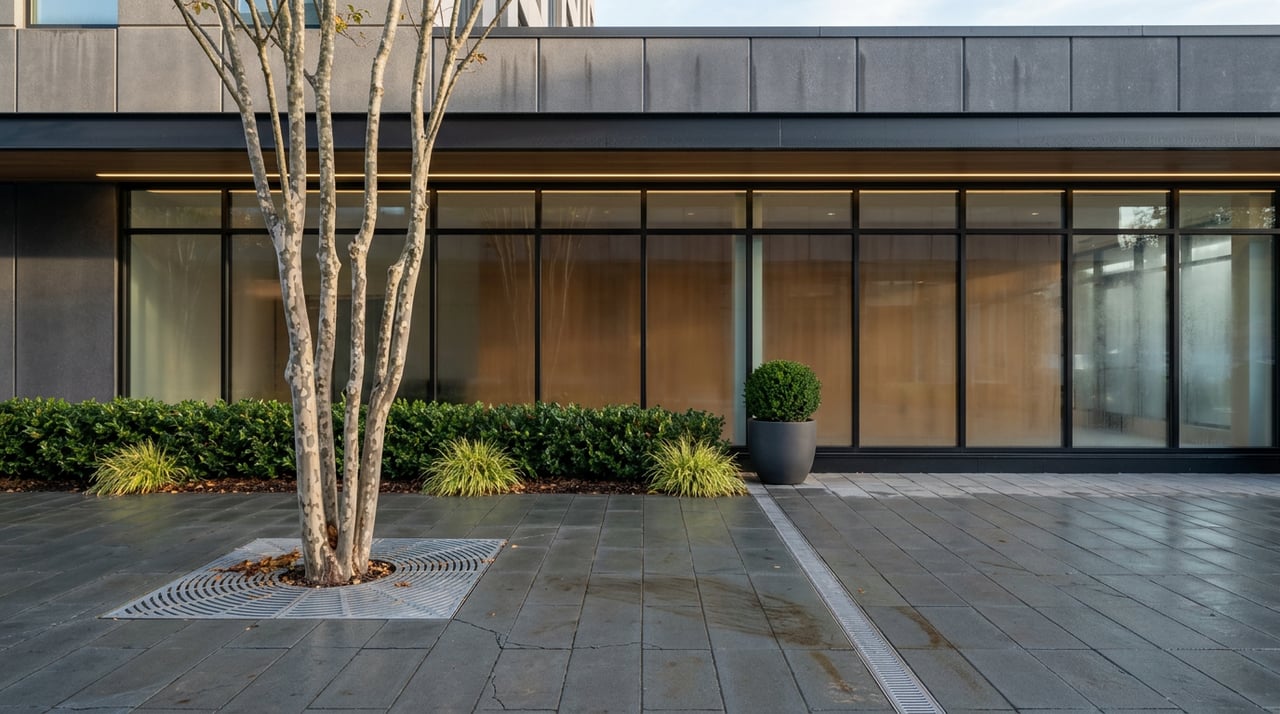
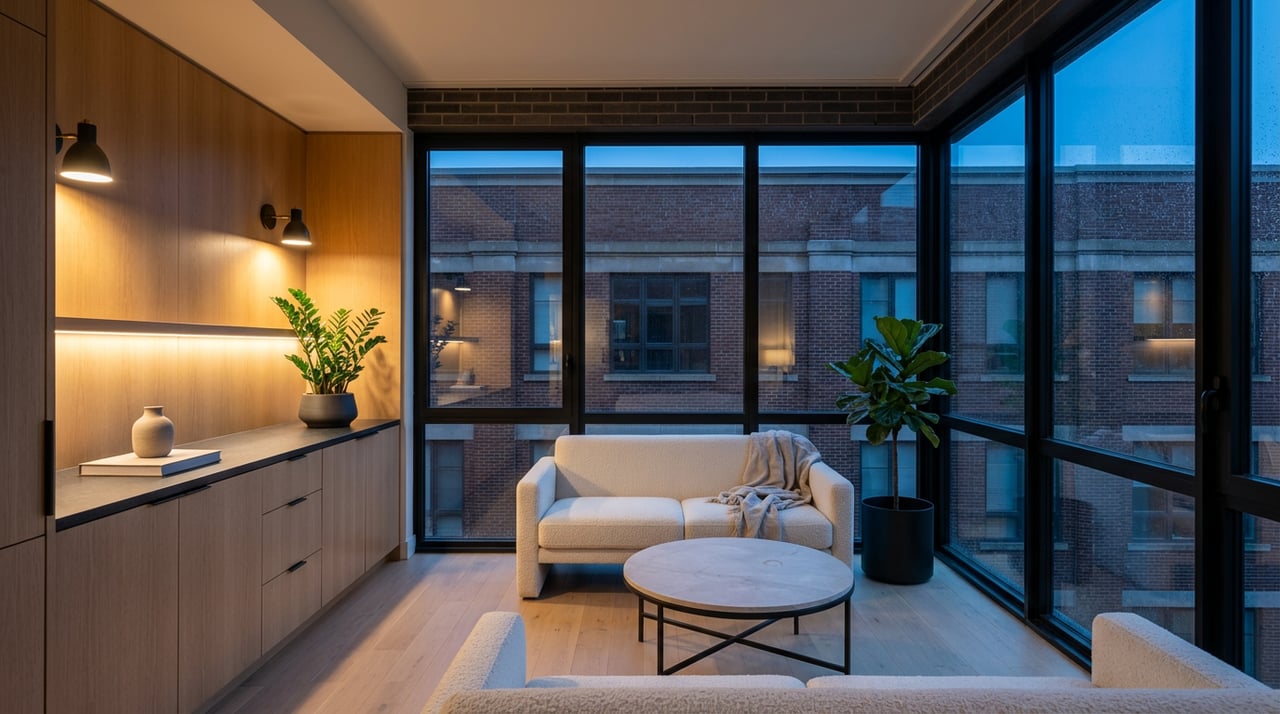
Downtown, Moss Bay, Norkirk, and Totem Lake are generally the strongest fit for buyers seeking urban convenience. These are the areas where you are most likely to find condos, apartments, townhomes, and mixed-use buildings, along with some older detached homes in nearby blocks.
Moss Bay is especially layered, with detached housing, large-scale multifamily development, marina uses, and civic and commercial activity. Norkirk functions as a transitional downtown-adjacent neighborhood, where apartments and condos become more common closer to the business district and Market Street corridor.
If you are comparing these areas, it helps to think beyond the neighborhood name. Look at how much daily walking you actually want to do, whether you want easier condo ownership or a detached home, and how close you want to be to retail, trails, and transit.
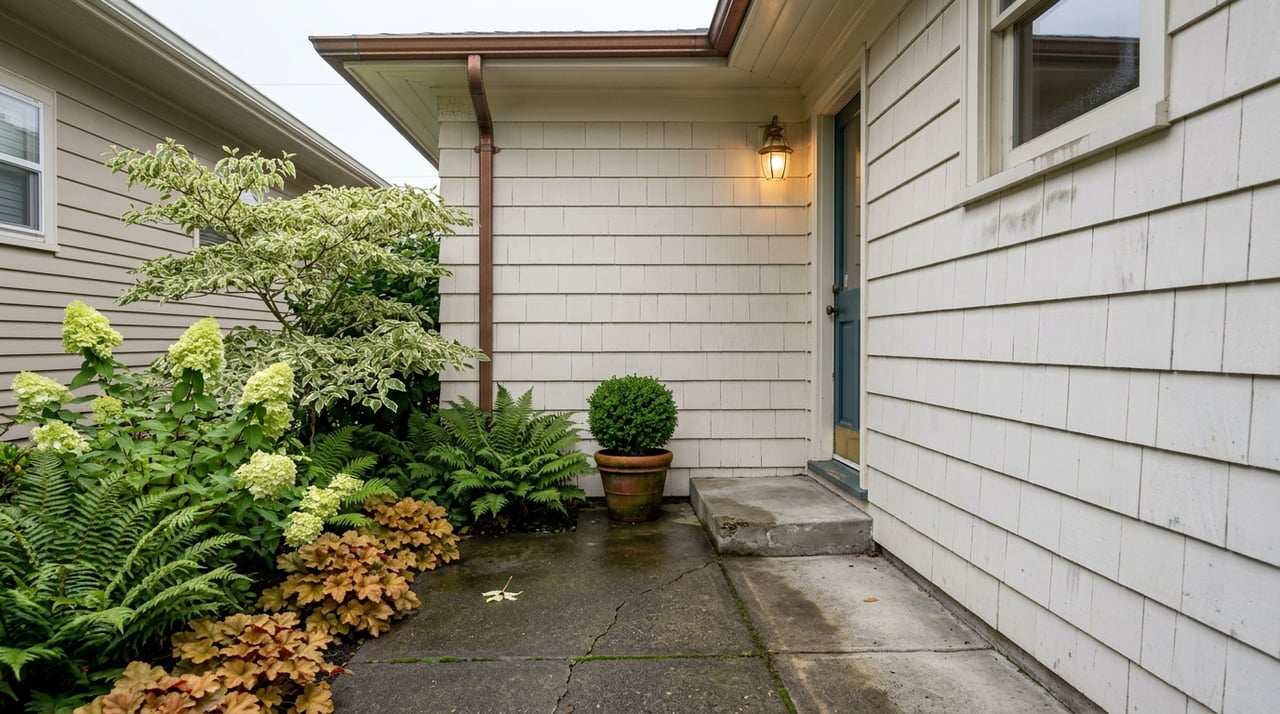
Kirkland offers more housing variety than many people expect. The city’s housing page notes that local options include ADUs, cottages, duplexes, triplexes, residential suites, and a pre-approved detached ADU program.
That matters because even neighborhoods that feel mostly single-family can include more diverse housing patterns. If your budget does not align with a classic waterfront house or a newer luxury condo, middle-housing and infill options may create more flexibility than you first assume.
In general, the housing pattern looks something like this:
Kirkland works well for people who want options in how they get around. The city’s Getting Around resources point residents to trails, bicycle routes, buses, parking information, neighborhood walking maps, and community van options.
A major asset is the Cross Kirkland Corridor, a 5.75-mile trail through the center of the city. For commuting and regional access, the city also identifies three transit centers: downtown, Totem Lake, and South Kirkland Park & Ride. If you work elsewhere on the Eastside or need flexible transportation choices, that is an important part of the Kirkland value proposition.
Kirkland is an expensive market, so budget planning is less about finding a single "affordable" neighborhood and more about matching your price range to the right housing type. The citywide median owner-occupied value is $1,115,400, and the research for this article indicates current home values are around $1.25 million on average.
As a general pattern, lakefront and view properties tend to sit at the high end. Walkable downtown condos and newer mixed-use homes often command a premium too. Lower entry points are more likely to come from smaller condos, older homes, or middle-housing and infill opportunities in established neighborhoods.
This is where a calm, strategic search matters. Instead of focusing only on the most recognizable neighborhood names, it often makes more sense to start with your routine, home style, and non-negotiables, then narrow to the pockets that support them.
If you are deciding between waterfront and urban options, keep the process simple. Start by thinking about your weekly routine, not just your ideal view.
Ask yourself:
In many cases, the best answer is a hybrid neighborhood like Lakeview, Central Houghton, or Juanita. In other cases, buyers are happiest when they fully commit to one lifestyle, such as downtown walkability or a quieter residential pocket with more space.
If you want a clear plan for comparing Kirkland neighborhoods, housing types, and pricing tradeoffs, Chris Bierrum offers calm, strategic guidance designed to help you make a confident move with less stress.
Stay up to date on the latest real estate trends.
I offer the highest level of expertise, service, and integrity. Connect now to get started today.
Get in Touch with Me to Learn More
ADDRESS 1400 112th Ave SE Ste 100 Bellevue WA 98004