Wallingford Seattle Neighborhood Guide to Housing & Life
March 5, 2026
March 5, 2026
Picture a neighborhood where your morning starts with a short walk for coffee, a quick ride on the Burke‑Gilman Trail, and easy access to the University of Washington or downtown. If that sounds like your pace, Wallingford might be a fit. You get a classic Seattle feel, strong everyday conveniences, and a housing mix that serves different stages of life. In this guide, you’ll learn how the neighborhood is laid out, what housing looks like, typical prices and rents, how people get around, and what to watch in the planning pipeline. Let’s dive in.
Wallingford sits on the north shore of Lake Union in north‑central Seattle, about 3 to 5 miles from downtown. It is immediately west of I‑5 and east of Aurora/Highway 99, with quick connections to Fremont, Ballard, and the University District. This central location shapes daily life, blending neighborhood‑scale retail with short trips across the city. You can read more about its setting in the city’s fabric on the Wallingford page at Wikipedia.
Commonly used neighborhood boundaries are Lake Union to the south, I‑5 to the east, Aurora to the west, and roughly N 60th Street to the north, with some overlap around Stone Way. The Wallingford Community Council’s summary is a helpful reference for how locals describe the area. Edges are informal and sometimes handled as joint planning areas in city documents.
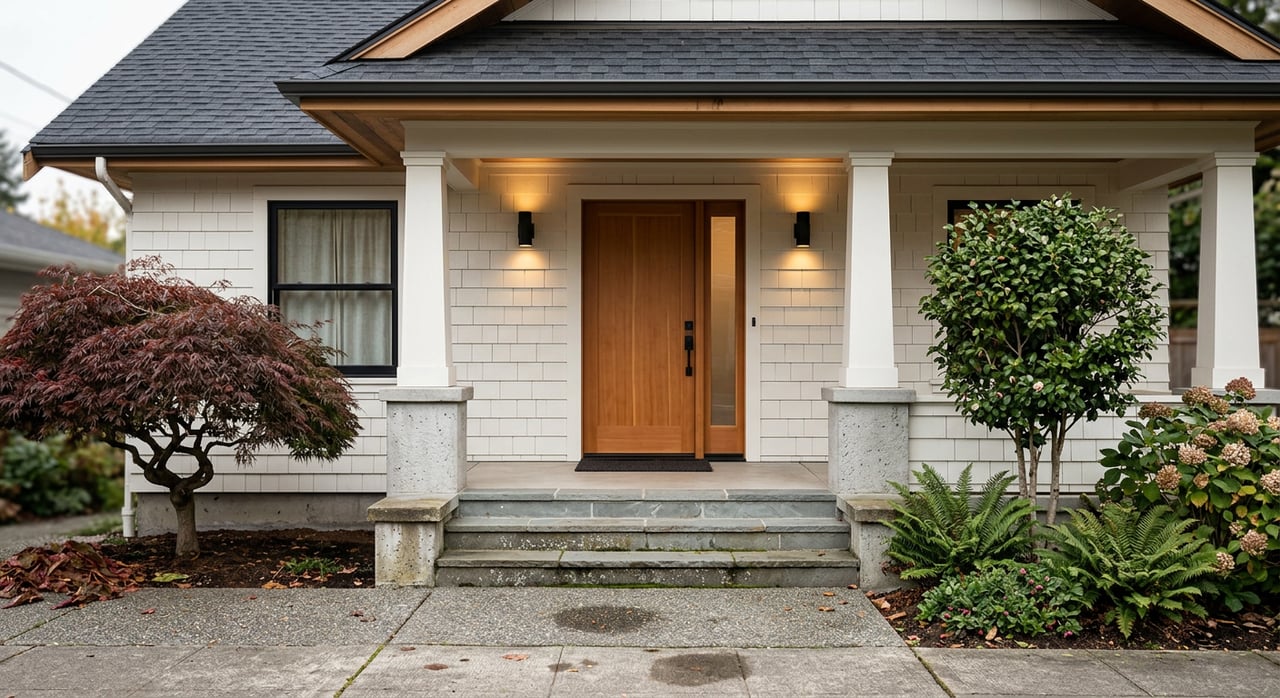
Wallingford grew as an early 20th‑century streetcar suburb, and that history still shows on its interior streets. You will find many Craftsman bungalows, Seattle box houses, and period cottages that define the neighborhood’s character. The Wallingford‑Meridian Streetcar Historic District highlights this pattern of low‑rise housing and tree‑lined blocks.
Near the commercial corridors, especially along N 45th Street and around Meridian and Tangletown, you will see a mix of older low‑rise apartments, mid‑century walk‑ups, and newer townhomes and condos. Recent infill brought stacked townhomes and small rowhouse projects that appeal if you want modern systems with lower upkeep. Along Lake Union, a niche segment of houseboats and moorage slips is within walking distance for buyers seeking a waterfront‑adjacent lifestyle.
Buying expectations: In late 2025 through January 2026, typical Wallingford home values were generally in the low‑to‑mid seven figures. Zillow’s neighborhood index reported an average value around $1,052,040 as of January 31, 2026, and other neighborhood summaries showed median sale prices commonly in the $1.0M to $1.25M range over recent 12‑month windows. Treat these as ranges because different providers use different definitions and values change over time. Inventory is often tight, so well‑priced Craftsman homes and well‑located condos can move quickly.
Renting expectations: One‑bedroom rents are frequently in the mid $1,300 to $2,400 range depending on building age and amenities, and a typical neighborhood average has been reported around $2,300 per month. Use these as directional figures and confirm current data with a rental tracker.
Many mornings start with coffee along N 45th Street, a dog walk under mature trees, or a spin on the Burke‑Gilman Trail. Commuters often take the frequent Route 44 bus along 45th to the University District or over to Ballard, or ride a bike to the UW area. For downtown, some residents drive over Aurora or use a bus‑to‑Link connection via the U District. Corridor improvements are part of SDOT’s transit program for 45th; see the city’s RapidRide and corridor materials for context.
N 45th Street is the neighborhood spine for groceries, coffee, quick lunches, and services. You will find an easy mix of everyday stops, independent shops, and casual restaurants. Meridian and Tangletown around N 55th Street offer smaller nodes of cafés and eateries. The Wallingford Center adds another pocket of retail and services near the heart of the neighborhood.
Gas Works Park on Lake Union is Wallingford’s signature green space, known for its sweeping skylines, unique industrial structures, and lawn that slopes to the water. It connects directly to the trail network and is a popular picnic and kite spot. Explore features and improvements on the Seattle Parks Gas Works page.
Wallingford Playfield at 4219 Wallingford Ave N is a neighborhood hub with a playground, seasonal wading pool, tennis courts, and open fields used for informal play. The Seattle Parks page for Wallingford Playfield is a good amenity overview. Meridian Playground hosts a seasonal farmers market and community events. On weekends, many residents bike the Burke‑Gilman, relax at Gas Works, or head a short ride to Green Lake.
Seattle’s multi‑phase Comprehensive Plan update, known as the One Seattle Plan, is active and relevant. Phase 1 addressed Washington State’s middle‑housing law, and Phase 2, called Centers and Corridors, proposes rezones for identified neighborhood centers and frequent‑transit corridors. These proposals could allow more low‑rise or mid‑rise buildings along certain arterials. Review the city’s official OPCD project documents and the Mayor’s Centers and Corridors transmittal for status and maps. This is an evolving process as of early 2026, so check for updates before you make property decisions.
You live in a one‑ or two‑bed condo or a newer townhome a few blocks from N 45th. Morning coffee is on foot, then a bus or bike ride to the U District or Fremont. You like lower maintenance and the ability to meet friends without a car. Budget mindset: condos and townhomes price below single‑family homes in the neighborhood, but final numbers vary by age, size, and location.
You look for a Craftsman near Wallingford Playfield or a quiet side street with a small yard. Afternoons include park time and easy errands on 45th. Expect seven‑figure pricing for updated single‑family homes in central locations, and plan for ongoing maintenance on older structures. The payoff is historic character and a neighborhood feel that is easy to live in day to day.
You start in a studio or one‑bed in an older walk‑up near the 45th corridor or a bus route to UW. When a good unit appears, you apply fast and keep documents ready. Typical one‑bed rents often fall between about $1,300 and $2,400 depending on building age and amenities, with a neighborhood average around $2,300 per month in recent trackers. This path builds familiarity before you decide where to buy.
Wallingford offers a balanced Seattle lifestyle: historic streets, strong everyday convenience, and short‑hop access to major job centers. Housing choices range from century‑old bungalows to modern townhomes and condos, with rents and purchase prices that reflect the neighborhood’s central location and popularity. If you want a place where you can walk for most of your needs and still reach the rest of the city quickly, Wallingford deserves a look.
If you are considering a move, I can help you compare home types, understand current pricing, and align your search or listing plan with your goals. My approach is calm and strategic, with detailed prep, professional media, and clear communication at every step. When you are ready, schedule a conversation with Chris Bierrum to map your next steps.
Stay up to date on the latest real estate trends.
I offer the highest level of expertise, service, and integrity. Connect now to get started today.
Get in Touch with Me to Learn More
ADDRESS 1400 112th Ave SE Ste 100 Bellevue WA 98004