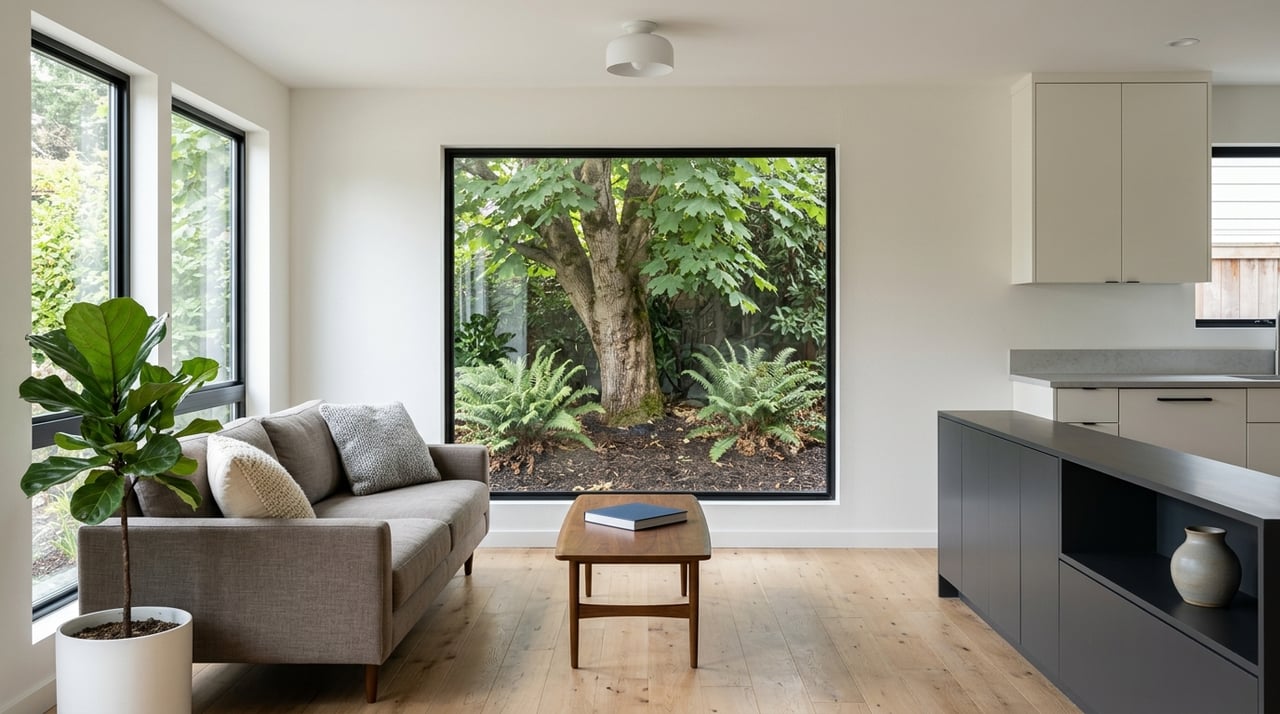
Is Buying A Home In Shoreline The Right Next Move
June 25, 2026
June 25, 2026
If you are weighing Shoreline against Seattle, you are probably asking a practical question, not just a lifestyle one: will buying in Shoreline actually give you a better fit for how you want to live? That is a smart question in a market where price, commute, home style, and daily convenience all matter. The good news is that Shoreline offers a clear value proposition for many buyers. Let’s break down what makes Shoreline a strong next move, and where it may or may not fit your goals.
Shoreline sits in northwestern King County along Puget Sound and borders Seattle to the south. It is about 10 miles from downtown Seattle, which puts it close enough for many buyers who still want access to the city.
The city describes itself as primarily residential, with 14 neighborhoods and more than 70% of households in single-family residences. That gives Shoreline a more house-oriented feel than Seattle proper, while still keeping you connected to the larger Seattle-Bellevue-Everett area.
For many buyers, Shoreline stands out because it offers a middle ground. You are not as deep into a dense urban environment as you would be in Seattle, but you are also not giving up regional access.
If your priorities include more space, a residential setting, and strong access to parks and transit, Shoreline checks a lot of boxes. It tends to appeal to buyers who want a practical day-to-day setup without feeling too far removed from Seattle.
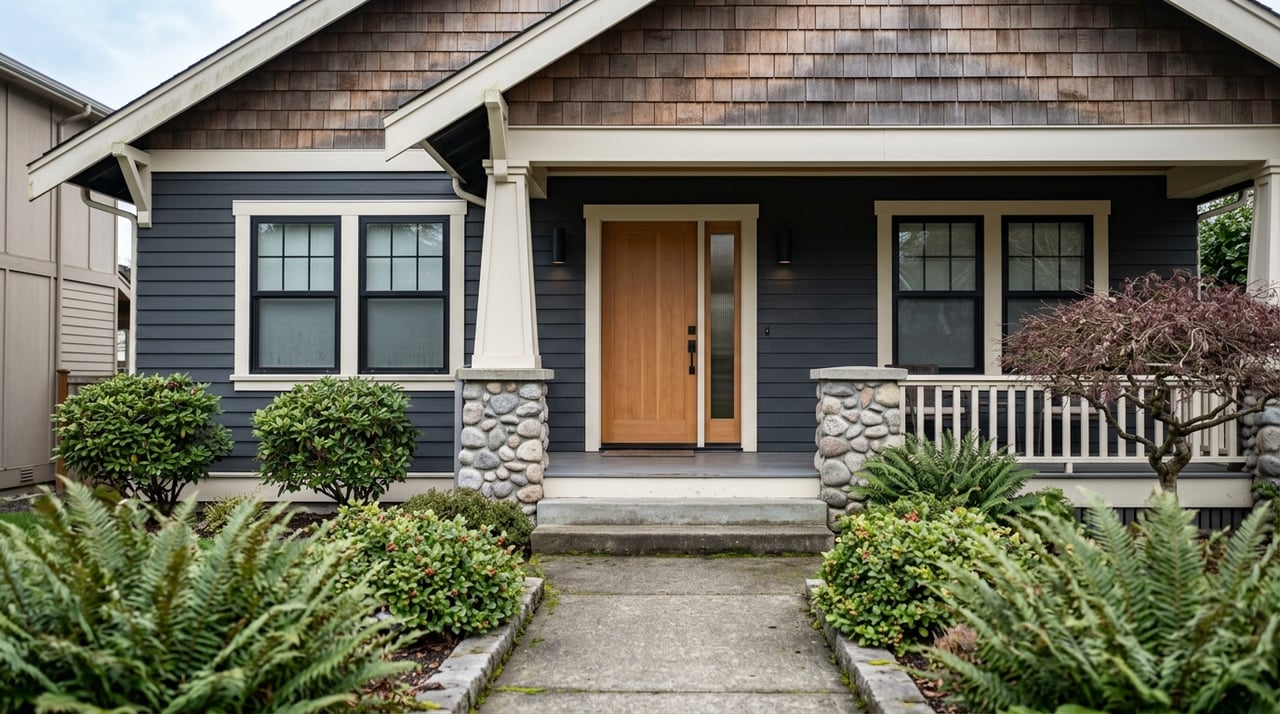
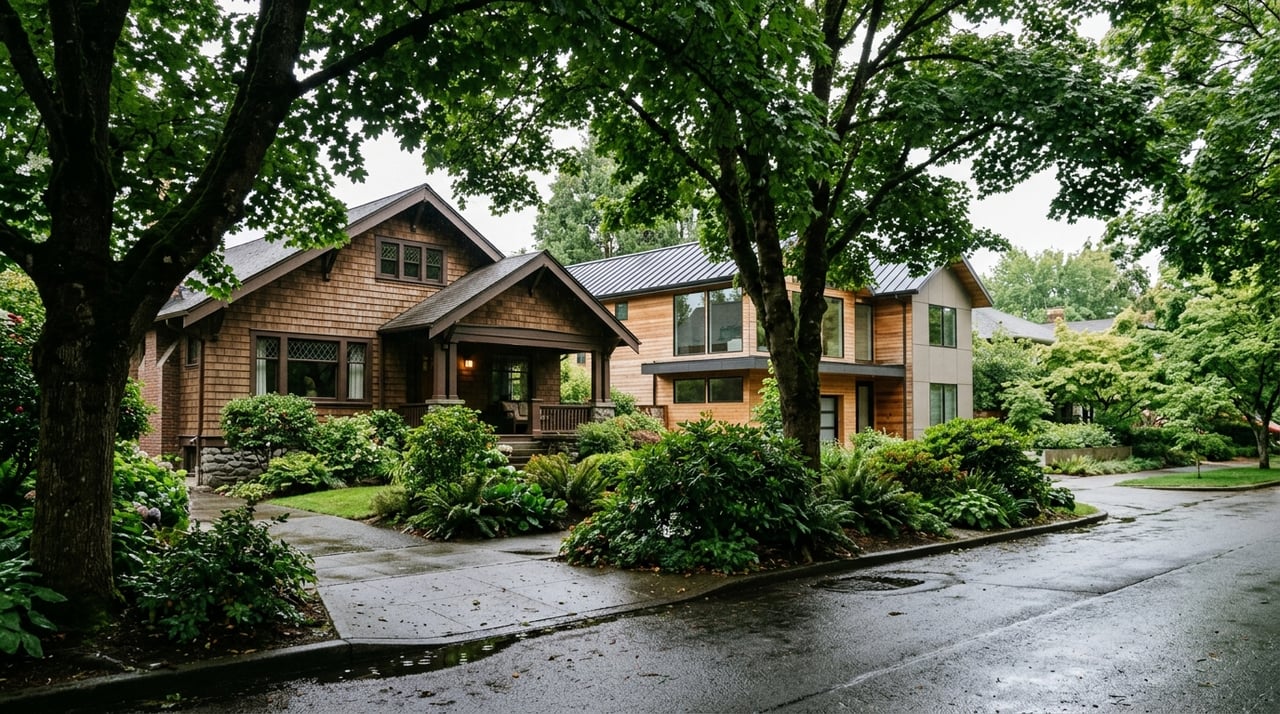
One of the biggest reasons Shoreline may be the right next move is its housing mix. The city’s planning materials describe a housing base still dominated by single-family homes, including older homes, newer homes on larger view lots, and newer infill such as townhouses.
That matters because your options shape your lifestyle. If you want a classic house-oriented market, Shoreline is generally a better fit than Seattle, which has a much denser multifamily profile.
Shoreline is also expanding its housing variety over time. The city’s middle housing framework includes options like duplexes, triplexes, fourplexes, courtyard apartments, cottage housing, townhouses, multiplexes, and live/work units.
In plain terms, Shoreline is not standing still. It remains strongly residential, but it is gradually adding more choices, especially near transit-oriented areas.
Seattle’s housing profile looks different. According to the City of Seattle’s housing supply analysis, about 75% of owner-occupied units are single-family detached homes, while about 55% of renter-occupied units are in buildings with 20 or more units. The same analysis found that more than 90% of new units permitted during the prior decade were multifamily or mixed-use.
That helps explain the real-world difference buyers often feel. Seattle offers a denser, more apartment and condo-heavy environment, while Shoreline tends to feel more residential and house-focused.
Price is often the first reason buyers look north of Seattle. Based on Redfin’s May 2026 market snapshot, Shoreline’s median sale price was $770,539, compared with $879,474 in Seattle.
That is a meaningful difference of about $108,935, or roughly 12.4% lower than Seattle. For many buyers, that price gap can open up more options or make monthly payments feel more manageable.
Still, it is important to stay realistic. Shoreline is not a low-pressure bargain market.
The same Redfin data shows homes in Shoreline selling in about 8 days and receiving 4 offers on average. Seattle homes were selling in about 10 days and receiving 3 offers on average.
That tells you something important: Shoreline may offer a price break versus Seattle, but buyers are still competing. If you are planning a purchase here, it helps to be clear on budget, timing, and what tradeoffs you are willing to make.
For buyers who want more commuting flexibility, Shoreline has a strong transit story. The city is served by Metro Transit, Community Transit, and Sound Transit, with regional bus service connecting to Seattle, Mountlake Terrace, Lynnwood, and Everett via I-5.
Shoreline also has Link light rail stops at Shoreline North/185th and Shoreline South/148th. That gives buyers another option beyond driving, which can be a major quality-of-life factor.
Shoreline North/185th includes 494 parking spaces, bike parking, and a connection to the Swift Blue Line. Shoreline South/148th includes 500 parking spaces, bike parking, and multiple King County Metro connections.
Community Transit says the Swift Blue Line runs between Everett Station and Shoreline North/185th, with service every 10 minutes on weekdays. If you are trying to balance a residential home base with regional mobility, that kind of access is worth a close look.
Shoreline’s parks system is one of its clearest strengths. The city highlights 42 parks, more than 400 acres of park land and open space, many miles of forested trails, the Interurban Trail, Kruckeberg Botanic Garden, and Richmond Beach Saltwater Park.
For many buyers, this is not just a nice extra. It shapes how your week feels, from morning walks to weekend outings and easy access to outdoor space close to home.
Richmond Beach Saltwater Park is one of Shoreline’s best-known outdoor destinations. The city says it offers open water access, picnic areas, a playground, an off-leash dog area, restrooms, and unpaved trails.
If your idea of a good home base includes nearby green space and shoreline recreation, Shoreline has a strong case. That is especially true if you want outdoor access without moving far from Seattle.
Shoreline is often a strong match if you want a detached home or townhome orientation rather than a condo-heavy environment. It also makes sense if you want more space than is typical in core Seattle and value a neighborhood setting with parks and trails nearby.
The city’s 14 neighborhoods and active neighborhood associations add to that more community-based feel. If your goal is a residential setting with practical access to the wider region, Shoreline deserves a close look.
Shoreline can also be a smart option if you want to use Link light rail or station-area park-and-ride access. Buyers who commute downtown or to north Seattle may find that Shoreline offers a useful balance between home style, location, and transportation options.
This is one of the city’s more compelling combinations. You can target a more residential housing market while still keeping rail-based commuting in play.
Shoreline is not the perfect answer for every buyer. If your top priority is a dense urban lifestyle, the widest condo or apartment selection, or a more central city environment, Seattle still offers a stronger fit.
That is not a negative about Shoreline. It simply means the best choice depends on how you want your daily life to work.
If you are comparing Shoreline and Seattle, the decision is usually less about which city is better and more about which one lines up with your next chapter. Shoreline offers a slightly lower median price than Seattle, a stronger single-family-home orientation, and standout access to parks and transit.
That combination can be hard to beat if you want a calmer residential base with good regional connectivity. But because the market remains competitive, the right plan matters just as much as the right location.
If you are thinking through whether Shoreline fits your budget, commute, and home goals, a calm, strategic conversation can help you narrow the options and move with confidence. Connect with Chris Bierrum to schedule a consultation.
Stay up to date on the latest real estate trends.
I offer the highest level of expertise, service, and integrity. Connect now to get started today.
Get in Touch with Me to Learn More
ADDRESS 1400 112th Ave SE Ste 100 Bellevue WA 98004