Living in Ballard Seattle: What Daily Life Is Like
July 2, 2026
July 2, 2026
If you’re trying to picture Ballard, it helps to think beyond the listing photos. What daily life really feels like here comes down to a few clear patterns: a walkable historic core, easy access to parks and water, and a housing mix that can support very different routines depending on where you live. If you’re considering a move, this guide will help you picture the rhythm of an ordinary week in Ballard and what that might mean for you. Let’s dive in.
Ballard feels grounded because so much of neighborhood life clusters around a few recognizable places. Ballard Avenue NW and NW Market Street act as the center of activity, with a pedestrian-friendly mix of shops, cafes, restaurants, and other local businesses. The city’s historic district materials also note that older commercial buildings and even some manufacturing uses still sit side by side, which gives the area a more layered feel than a newer retail district.
That mix matters in daily life. Instead of feeling like a neighborhood built around one single use, Ballard often feels like a place where errands, coffee, dinner plans, and a quick walk can all happen within the same few blocks. If you live near the core, your routine can stay surprisingly compact.
If you want the version of Ballard that feels easiest on foot, the strongest area is around Ballard Avenue, NW Market Street, the farmers market stretch, and the blocks near Ballard Commons Park and the Ballard Branch library. These areas bring together everyday services, public space, and a steady flow of activity.
That does not mean every part of Ballard feels the same. City planning materials describe some edges, especially along 15th Ave NW, as more auto-oriented. So when people say Ballard is walkable, the more accurate answer is that the core is highly walkable, while the feel changes as you move outward.
One of the easiest ways to understand Ballard is to look at Sunday. The Ballard Farmers Market operates year-round on Ballard Avenue NW, right on the historic cobblestone stretch, and its location works well for foot traffic, bikes, and buses.
That creates a neighborhood ritual people can actually build into their week. Even if you are not doing a full grocery run, the market adds energy, movement, and a social rhythm that gives Ballard a lived-in feel. For many buyers, that kind of repeatable routine says more than any brochure ever could.
Ballard works well for people who want options. King County Metro’s RapidRide D Line serves Ballard and runs through Downtown Seattle, and routes 17 and 28 also connect Ballard with downtown and nearby neighborhoods.
In practical terms, that supports a car-light routine for many residents, especially near the neighborhood core. You may still drive depending on your schedule and exactly where you live, but Ballard offers enough transit, walking, and biking infrastructure that many daily trips do not have to revolve around a car.
The Burke-Gilman Trail is one of Ballard’s strongest daily-life features. Seattle describes it as a popular route for walkers, runners, cyclists, skaters, and commuters, and in Ballard it connects directly to the neighborhood’s outdoor rhythm.
The 17th Ave NW Neighborhood Greenway adds another useful layer by linking Soundview Playfield to Salmon Bay. Together, these routes make it easier to picture a lifestyle built around movement, whether that means commuting by bike, taking an evening run, or simply choosing a more active way to get around.
In some neighborhoods, the waterfront is more of a special-occasion feature. In Ballard, it is part of the background of ordinary life. The neighborhood’s maritime setting includes the Ballard Locks, Shilshole Bay Marina, Fishermen’s Terminal, and working waterfront activity tied to the broader maritime district.
That means you are not just near the water in a scenic sense. You are also near boats, marine traffic, and an active shoreline environment that gives Ballard a distinct identity. For many people, that mix of recreation and working waterfront is what makes the area feel authentic.
Golden Gardens Park is one of the biggest lifestyle assets in Ballard. It offers shoreline views of Puget Sound and the Olympic Mountains, along with a sandy beach, trails, a boat launch, fishing pier, and an off-leash dog area.
What matters most is how easy it is to use. Golden Gardens is the kind of place that can turn a normal weekday evening into a reset or become the anchor for an entire weekend. If outdoor access is high on your list, this park shapes daily life in a real way.
The Ballard Locks and Carl S. English Jr. Botanical Garden add another layer that is hard to replicate elsewhere. The grounds are open daily from 7 a.m. to 9 p.m., and the botanical garden includes more than 570 species and 1,500 varieties of plants.
For residents, this is not just a place to bring out-of-town guests. It is part of the neighborhood pattern, with regular foot traffic, water views, and a strong sense of place. It gives Ballard a daily texture that feels both active and calm.
Ballard Commons Park serves as an active neighborhood gathering point near the core. It includes a skate bowl, water feature, public art, lawns, and ADA-accessible walkways, which makes it useful for a range of casual daily routines.
Nearby, the Seattle Public Library’s Ballard Branch adds another practical anchor. With meeting rooms, study rooms, Wi-Fi, and a maritime and fishing collection, it functions as more than a place to check out books. It helps support the kind of neighborhood life that feels connected and usable.
Ballard Pool gives the neighborhood an indoor option for laps, lessons, and family swim time. That may sound simple, but facilities like this can shape how convenient a neighborhood feels over time.
When you combine the pool, library, parks, and trails, Ballard starts to look less like a weekend destination and more like a place where a lot of regular life can happen close to home.
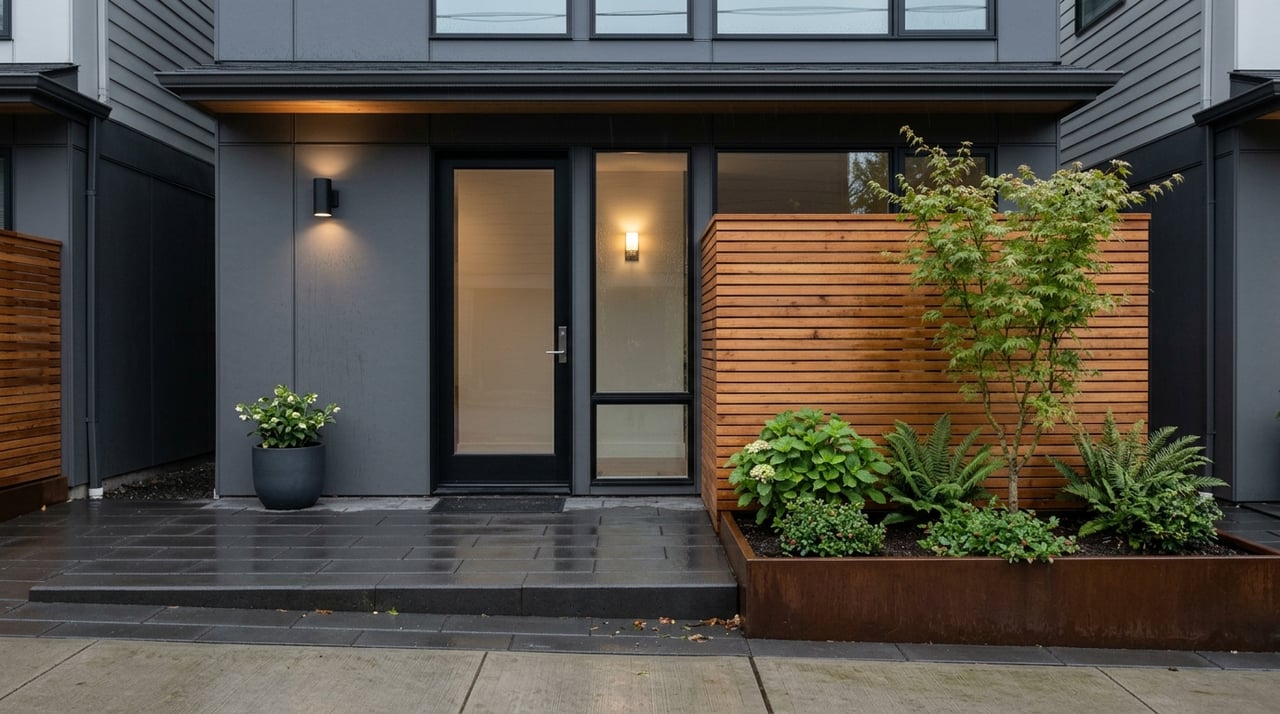
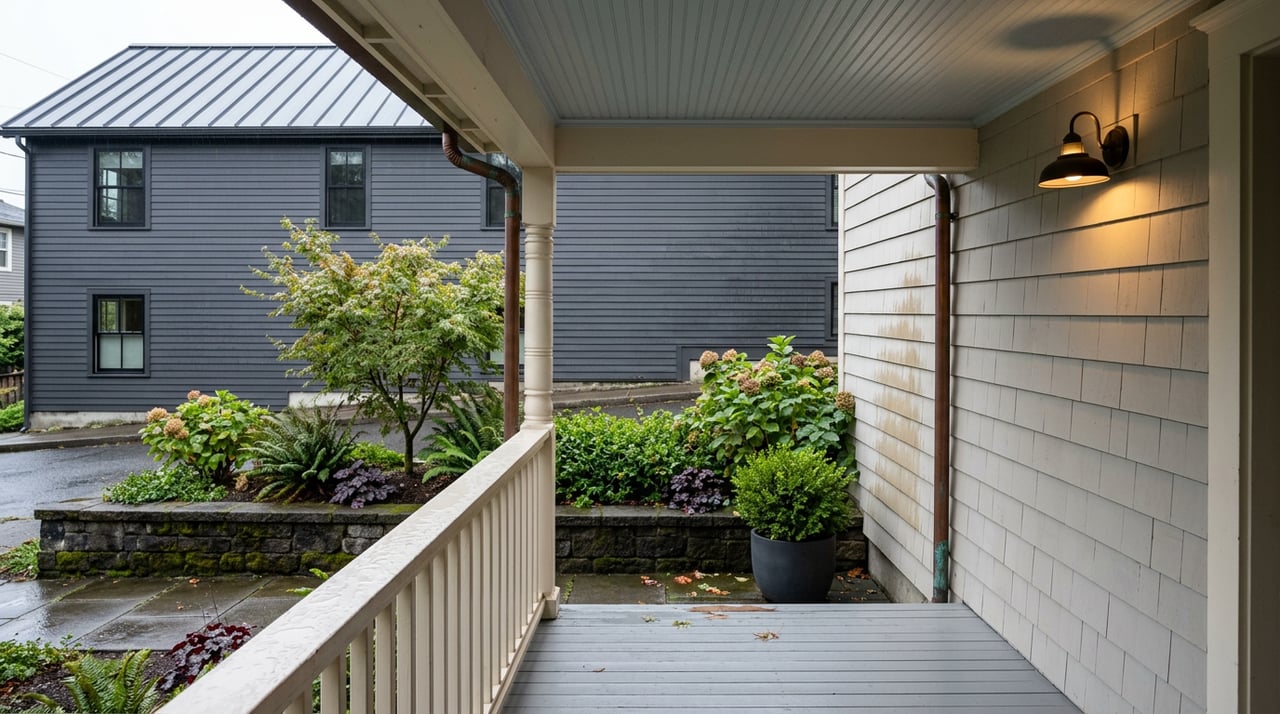
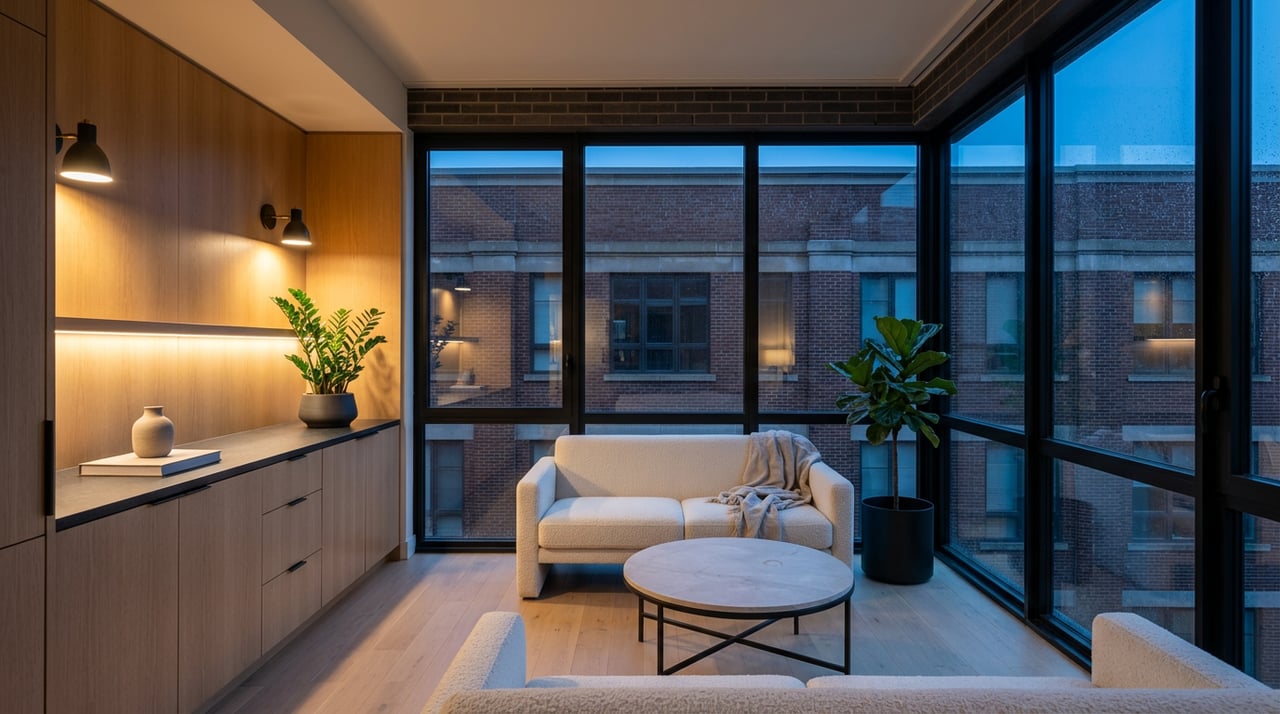
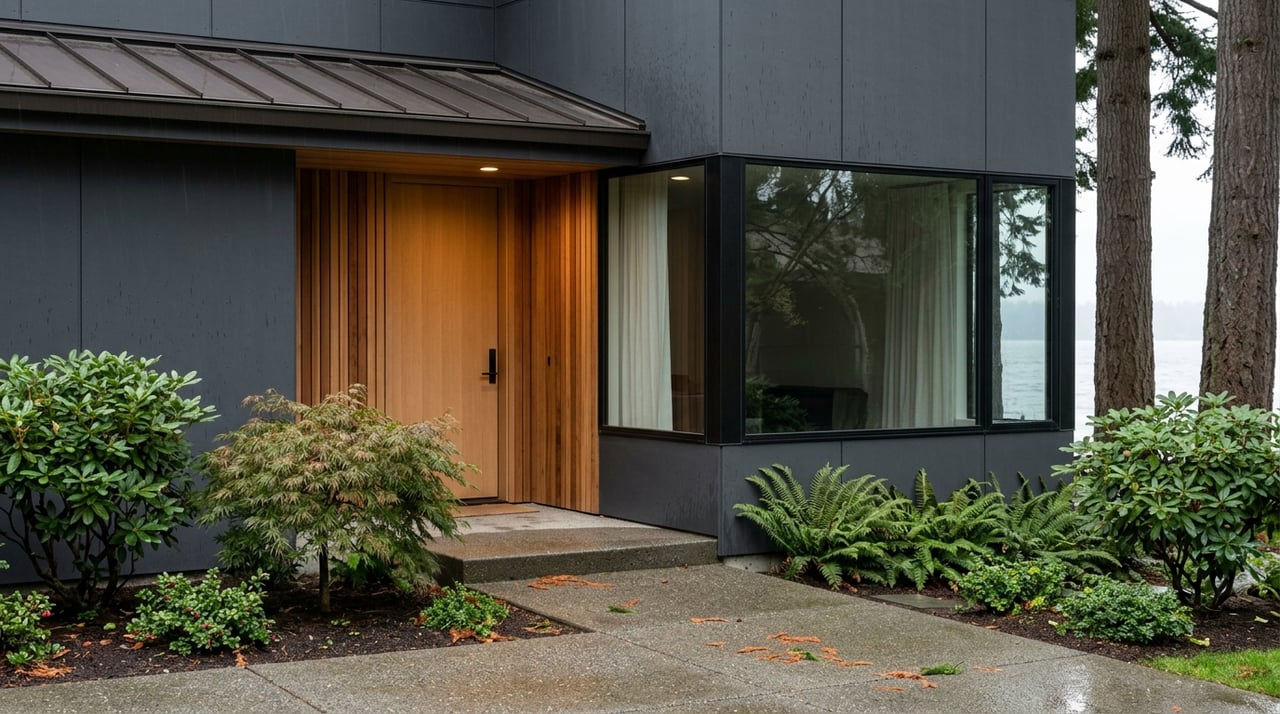
Ballard is not one uniform housing experience. City planning and design materials describe a mix of single-family homes, low-rise multifamily buildings, townhomes, rowhouses, cottages, apartments, and newer mixed-use buildings with ground-floor retail in the commercial core.
That variety is important because it supports several different versions of Ballard living. You might picture a classic house on a quieter residential street, a townhome closer to daily services, or a condo or apartment in the center of the walkable core. The right fit depends on how much activity, access, and density you want around you.
If you live closer to Ballard Avenue and Market Street, you are more likely to feel the energy of nearby businesses, transit access, and busier sidewalks. If you move farther into residential pockets, the pace can feel quieter while still keeping the neighborhood’s amenities within reach.
That block-by-block shift is one of Ballard’s defining traits. For buyers, it means you should evaluate not just the home itself, but also the exact lifestyle pattern around that address.
A realistic Ballard weekday often centers on local errands, coffee or meals in the core, transit or bike trips, and nearby outdoor space. Depending on your routine, you might walk to services, use a transit route into downtown, or fit in a park or waterfront walk before heading home.
Weekends often lean more social and outdoors-focused. The farmers market, Golden Gardens, the locks, and the waterfront all support a neighborhood rhythm that feels active without feeling rushed. That combination is a big part of Ballard’s appeal.
Ballard often appeals to people who want a neighborhood with a strong sense of place and a daily routine that does not depend on driving everywhere. It can also work well if you value a mix of historic character, practical amenities, and regular access to parks and shoreline.
At the same time, the best fit usually comes down to your preferred pace. Some buyers want to be in the middle of the walkable core, while others want a little more separation from the busiest blocks. Ballard can offer both, but not on every street.
If you’re trying to decide whether Ballard matches the way you actually want to live, the key is to look past the headline features and focus on your day-to-day pattern. The right home here is usually the one that aligns with how you move through the neighborhood, not just how it looks online. If you want help comparing Ballard streets, housing types, or lifestyle tradeoffs in a calm, strategic way, connect with Chris Bierrum.
Stay up to date on the latest real estate trends.
I offer the highest level of expertise, service, and integrity. Connect now to get started today.
Get in Touch with Me to Learn More
ADDRESS 1400 112th Ave SE Ste 100 Bellevue WA 98004